
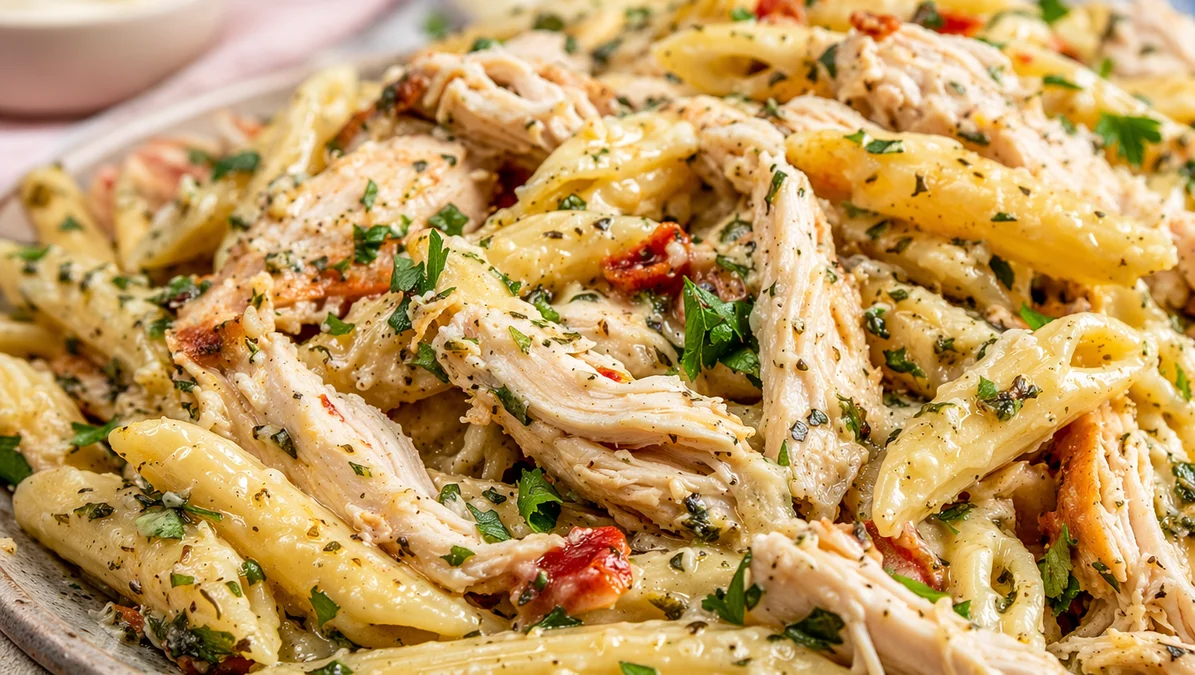
This quick rotisserie chicken dinner is an easy high-protein meal made with garlic, herbs, and olive oil. Ready in 20 minutes, it's perfect for busy weeknights.
Ingredients
Instructions
Bring a large pot of salted water to a rolling boil. Use about 1 tablespoon of salt per 4 quarts of water—this seasons the pasta from within. Add the pasta and cook according to package directions until al dente. Al dente means the pasta is tender but still has a slight bite in the center, which is crucial because it will continue cooking slightly when tossed with the sauce. Reserve about 1 cup of the starchy pasta water before draining; this liquid gold helps emulsify the sauce and gives it a silky, cohesive texture that clings to every strand of pasta. Drain the pasta in a colander but do not rinse it—rinsing removes the starch that helps the sauce adhere.
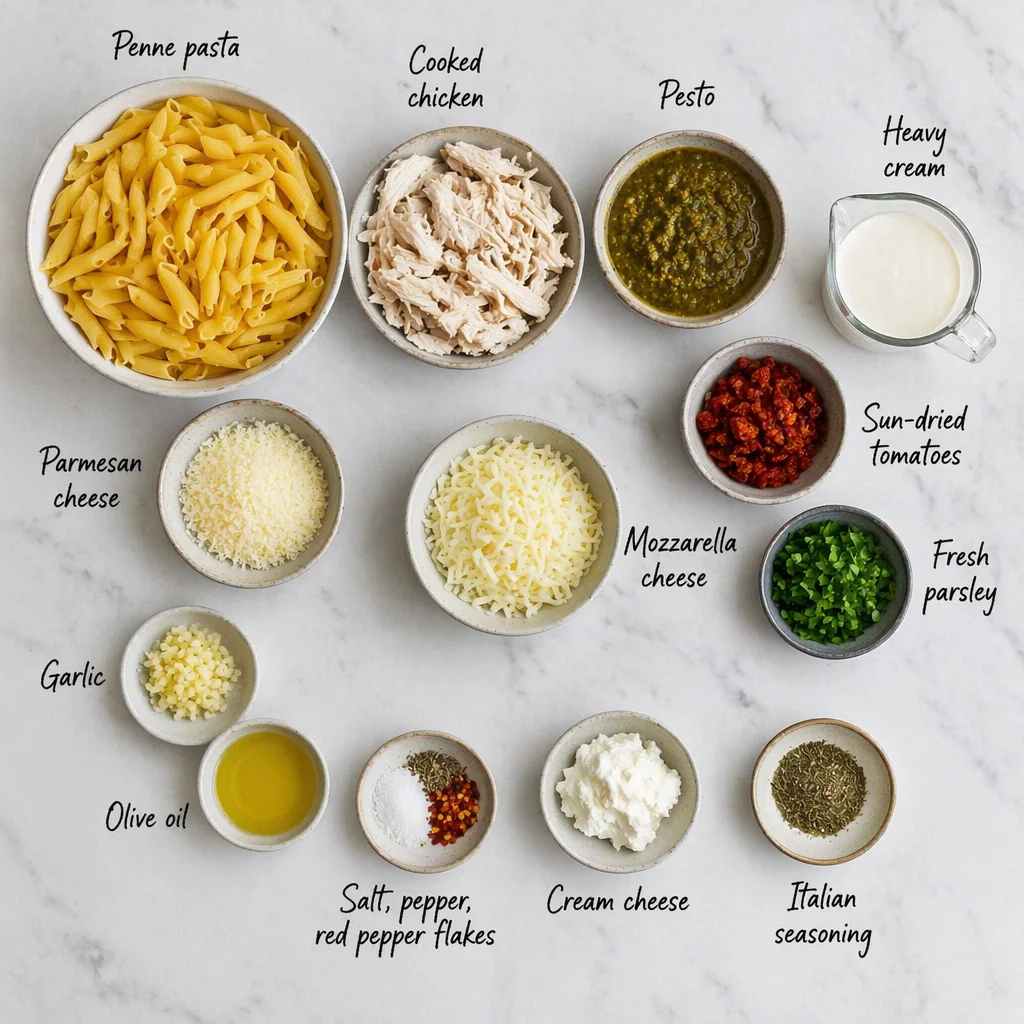
While the pasta is cooking, heat the olive oil in a large skillet or Dutch oven over medium heat. The oil should shimmer but not smoke—if it starts smoking, the heat is too high. Add the minced garlic and cook for about 30 seconds, stirring constantly, until fragrant. Garlic burns quickly, so keep an eye on it; burnt garlic turns bitter and can ruin the dish. If using red pepper flakes, add them now to bloom their heat in the oil, which mellows the spice and infuses the entire dish with a subtle warmth. You’ll know it’s ready when the aroma fills your kitchen and the garlic is just beginning to turn golden.
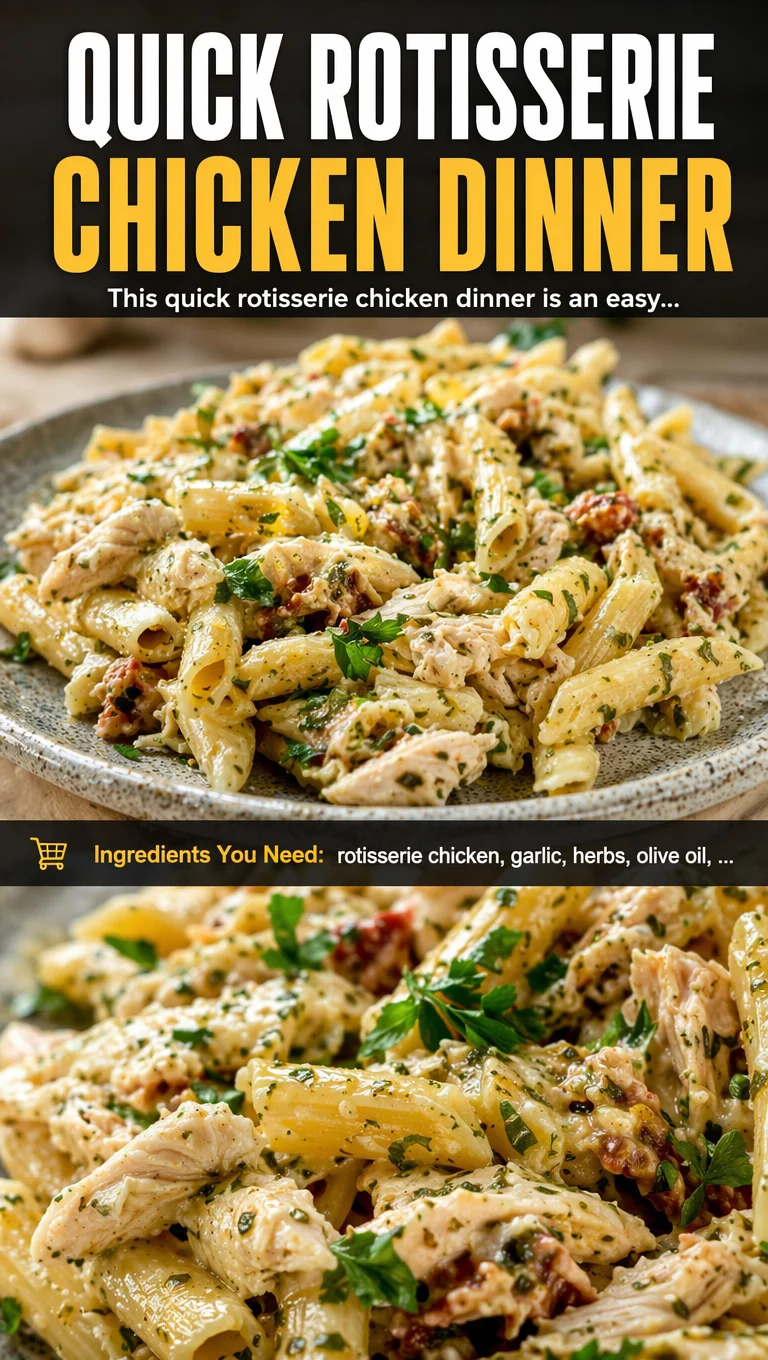
Add the shredded rotisserie chicken to the skillet. Toss to coat in the garlic oil and heat through, about 2–3 minutes. The chicken is already cooked, so you’re just warming it and allowing it to absorb the flavors. Stir in the dried oregano and basil, which will rehydrate in the oil and release their essential oils. Season with a pinch of salt and a few grinds of black pepper. The chicken should look moist and glistening, with the herbs evenly distributed.
Add the drained pasta directly to the skillet with the chicken. Sprinkle the grated Parmesan cheese over the top and pour in about 1/2 cup of the reserved pasta water. Use tongs or a wooden spoon to toss everything vigorously, allowing the cheese to melt and the starchy water to create a luscious sauce that coats each piece of pasta and chicken. The sauce should be creamy but not watery; if it seems dry, add more pasta water a tablespoon at a time until you reach the desired consistency. Taste and adjust seasoning with salt and pepper. The final dish should be fragrant with garlic and herbs, with a slight heat if you used red pepper flakes.
Divide the pasta among four plates or bowls. Garnish with fresh chopped parsley for a pop of color and freshness. Serve immediately, while the pasta is hot and the sauce is at its most luscious. This dish pairs beautifully with a simple side salad dressed with lemon vinaigrette or a glass of crisp white wine. Enjoy the satisfaction of a homemade, high-protein dinner that took just 20 minutes from start to finish.
For best results
- Choosing the right rotisserie chicken makes all the difference. Look for a freshly roasted chicken from your grocery store's deli—preferably one that hasn't been sitting under heat lamps for hours. The meat should be moist and tender. If you have time, you can also roast your own chicken breasts or thighs, but the beauty of this recipe is its speed. For the best flavor, shred the chicken by hand while it's still warm; cold chicken is harder to shred and doesn't absorb the garlic oil as well. Use two forks to pull the meat apart, discarding the skin if you prefer a leaner dish, or chop the skin finely and add it for extra flavor and texture.
- Pasta water is a secret weapon in Italian cooking. The starch released from the pasta acts as a natural thickener and emulsifier, helping the olive oil and cheese form a creamy sauce without the need for heavy cream. Always reserve at least a cup before draining, and add it gradually until the sauce reaches the perfect consistency. The water should be hot when you add it to the skillet—cold water can cause the oil to separate and the cheese to clump. If your pasta water has cooled, simply reheat it in the microwave or on the stove before using.
- Don't skimp on the quality of olive oil. Since this recipe relies on just a few ingredients, the olive oil's flavor shines through. Use a good extra-virgin olive oil with a fruity, peppery profile. It not only carries the garlic and herb flavors but also adds a luxurious mouthfeel. If you're watching calories, you can reduce the oil to 1 tablespoon, but the sauce will be less rich. For a dairy-free version, omit the Parmesan and add a splash of nutritional yeast for a cheesy flavor without the dairy.
- To make this dish even faster, prep your ingredients while the pasta water comes to a boil. Mince the garlic, shred the chicken, and measure out the herbs and cheese. This mise en place approach ensures that cooking is seamless and stress-free. If you're using dried herbs, crush them between your palms before adding to release their oils. Fresh herbs can be substituted—use three times the amount of fresh herbs compared to dried, and add them at the end to preserve their bright flavor.
- Leftovers can be stored in an airtight container in the refrigerator for up to 3 days. The pasta will absorb some of the sauce, so when reheating, add a splash of water or chicken broth to bring back the creamy consistency. Reheat gently in a skillet over medium-low heat or in the microwave in 30-second bursts, stirring between each. This dish is not ideal for freezing because the pasta texture changes upon thawing, but the chicken and sauce freeze well—just cook fresh pasta when you're ready to serve.
Variations
- Make it vegetarian by swapping the rotisserie chicken for a can of drained and rinsed chickpeas or white beans. Sauté the chickpeas with the garlic until they're lightly golden and crispy on the outside. The beans provide a similar protein boost and a creamy interior that contrasts nicely with the pasta. You can also add sautéed mushrooms or spinach for extra nutrients and flavor.
- For a dairy-free and vegan version, omit the Parmesan and use a high-quality vegan Parmesan alternative or a tablespoon of nutritional yeast. Nutritional yeast has a nutty, cheesy flavor and is fortified with B vitamins. Also, ensure your pasta is egg-free (most dried pasta is vegan). The olive oil and garlic will still create a deliciously savory sauce.
- Turn up the heat with a spicy variation: add 1/2 teaspoon of red pepper flakes along with the garlic, and finish the dish with a drizzle of chili oil or a sprinkle of cayenne pepper. For extra smokiness, use chipotle powder or smoked paprika. This version pairs well with a cooling dollop of Greek yogurt or a squeeze of lime juice.
- Boost the veggies by adding a handful of baby spinach or kale when you toss the pasta with the chicken. The residual heat will wilt the greens in about a minute. You can also roast cherry tomatoes alongside the pasta and add them at the end for bursts of sweetness. For a more substantial meal, toss in steamed broccoli or roasted bell peppers.
- Change the protein: use leftover grilled chicken, turkey, or even flaked salmon instead of rotisserie chicken. Each protein brings its own unique flavor profile. For a budget-friendly option, use canned chicken or shredded pork. Just make sure the protein is fully cooked and heated through before adding the pasta.
- Experiment with different pasta shapes. Short pastas like penne, fusilli, or farfalle hold the sauce well in their nooks and crannies. Long pasta like spaghetti or linguine offers a different texture and is fun to twirl. Whole-wheat or legume-based pastas (like chickpea or lentil pasta) increase the fiber and protein content, making the dish even more macro-friendly.
Nutrition
- Calories450 kcal
- Total Fat16g
- Saturated Fat4g
- Cholesterol80mg
- Sodium520mg
- Total Carbohydrates46g
- Dietary Fiber3g
- Sugars2g
- Protein37g