

This lemon lovers cake is a dream dessert for citrus fans. Made with tangy lemonade, this easy high-protein cake is perfect for summer parties or any occasion.
Ingredients
Instructions
Preheat your oven to 350°F (175°C). Grease a 9-inch round cake pan with butter or non-stick spray, then dust lightly with flour to ensure the cake releases cleanly. This step is crucial for a perfect unmolding; the flour creates a barrier so the batter doesn’t stick. You can also line the bottom with parchment paper for extra security. While the oven heats, take your eggs and butter out of the fridge to come to room temperature—this takes about 15 minutes. Room-temperature ingredients emulsify better, leading to a lighter, fluffier crumb. If you’re short on time, you can warm the eggs in a bowl of warm water for 5 minutes and soften the butter in the microwave in 10-second bursts, but be careful not to melt it.
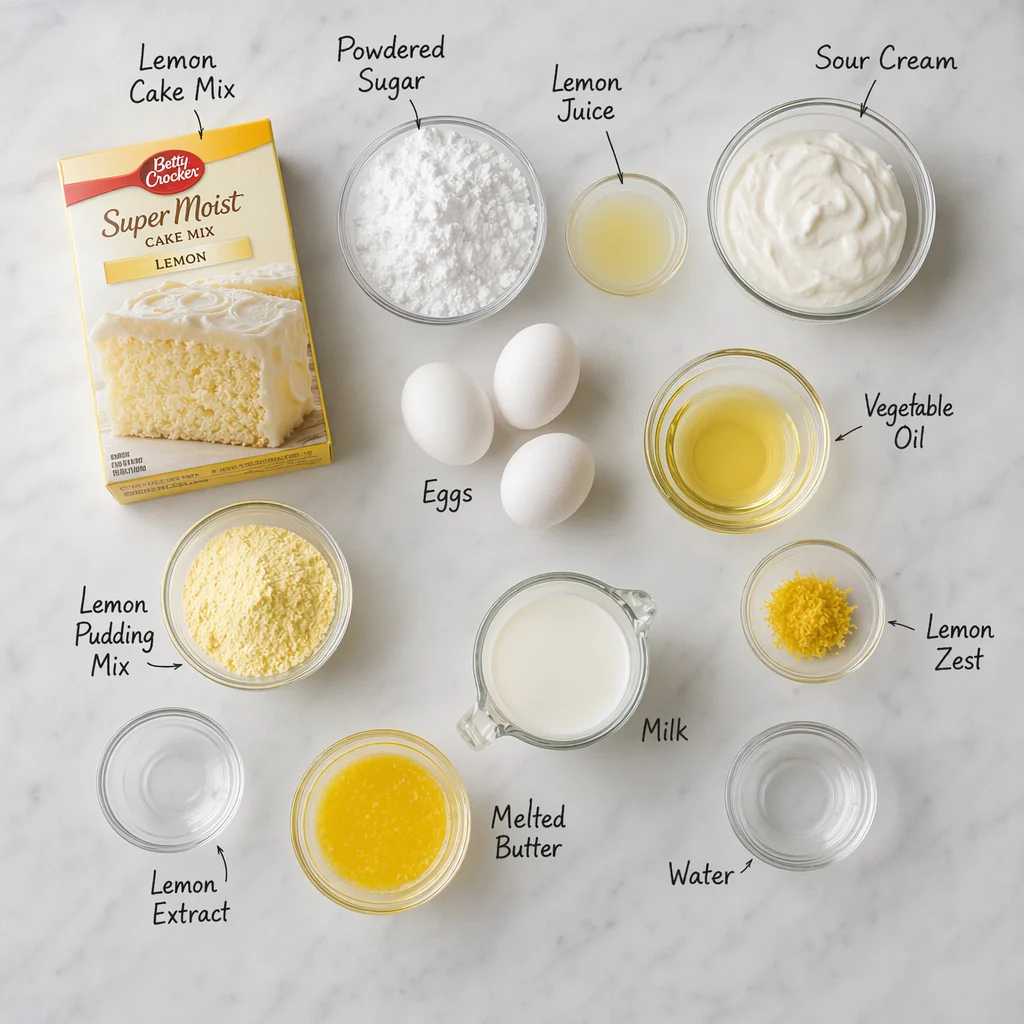
In a medium bowl, whisk together the all-purpose flour, baking powder, baking soda, and salt. Whisking aerates the flour and distributes the leavening agents evenly, ensuring your cake rises uniformly. Set aside. In a large mixing bowl, beat the softened butter and granulated sugar together with an electric mixer on medium speed until light and fluffy, about 3-4 minutes. This process, called creaming, incorporates air into the butter, which will expand during baking and give your cake a tender texture. Scrape down the sides of the bowl as needed. Add the eggs one at a time, beating well after each addition. The mixture should look smooth and slightly increased in volume.

Add the lemon zest and beat for another 30 seconds until fragrant. The zest contains essential oils that provide intense lemon flavor without the acidity of juice. Now, with the mixer on low speed, add the dry ingredients in three additions, alternating with the lemonade in two additions, starting and ending with the dry ingredients. For example: add one-third of the flour mixture, mix until just combined, then half the lemonade, then another third of flour, the remaining lemonade, and finally the last third of flour. Mix only until no streaks of flour remain—overmixing develops gluten, which can make the cake tough. The batter will be thick and slightly bubbly from the lemonade’s carbonation if you use a fizzy variety. If you’re using the optional Greek yogurt, fold it in gently at the end with a spatula.
Pour the batter into the prepared pan and spread it evenly with a spatula. Bake on the center rack of the preheated oven for 28-32 minutes, or until a toothpick inserted into the center comes out clean or with a few moist crumbs. The cake should be golden brown on top and spring back lightly when touched. Begin checking at 28 minutes to avoid overbaking. While the cake bakes, prepare a simple lemonade syrup: whisk together 2 tablespoons of lemonade and 1 tablespoon of sugar until dissolved. This will be brushed onto the warm cake to add extra moisture and a tangy punch. Once the cake is done, let it cool in the pan on a wire rack for 10 minutes, then turn it out onto the rack. While still warm, brush the lemonade syrup all over the top and sides. Let cool completely before frosting.
For the lemon frosting, beat 1/2 cup (113 g) softened unsalted butter with 2 cups (240 g) powdered sugar, 2 tablespoons lemonade, and 1 teaspoon lemon zest until smooth and creamy. Adjust consistency with more sugar or lemonade as needed. Spread a thick layer of frosting over the cooled cake, using an offset spatula for smooth swirls. Garnish with additional lemon zest, thin lemon slices, or edible flowers for a beautiful presentation. Slice and serve at room temperature for the best flavor and texture. Store leftovers in an airtight container at room temperature for up to 2 days or refrigerate for up to 5 days.
For best results
- For the best lemon flavor, use freshly squeezed lemonade from lemons, sugar, and water. Store-bought lemonade works too, but check the label for added preservatives that might affect the texture. If using concentrate, dilute it according to package instructions before measuring. The acidity in lemonade reacts with the baking soda to create a light, tender crumb, so don't substitute with lemon juice alone unless you adjust the liquid ratio.
- To boost the protein content without sacrificing moisture, replace half the butter with plain Greek yogurt. The yogurt adds tanginess and reduces fat while keeping the cake incredibly moist. You can also add a scoop of unflavored or vanilla protein powder—reduce the flour by 2 tablespoons per scoop and increase the lemonade by 1 tablespoon to compensate for the dry powder's absorbency.
- Room temperature ingredients are non-negotiable for a smooth batter. Cold butter won't cream properly, and cold eggs can cause the batter to curdle. If you forget to take them out ahead, place the eggs in a bowl of warm water for 5 minutes and cut the butter into small cubes to warm quickly. The batter should be smooth and cohesive, not grainy or separated.
- Don't skip the syrup brushing step—it's the secret to an extra-moist cake that stays fresh longer. The syrup seeps into the warm cake, locking in moisture and amplifying the lemon flavor. You can also add a splash of limoncello to the syrup for an adult twist. Brush generously, especially around the edges where cakes tend to dry out first.
- For a dairy-free version, use vegan butter and a plant-based yogurt alternative. The cake will still be tender and delicious. If you need a gluten-free option, substitute the all-purpose flour with a 1:1 gluten-free baking blend that contains xanthan gum. Adjust baking time by 5 minutes as gluten-free batters often take longer to set.
Variations
- Lemon Blueberry Cake: Fold 1 cup of fresh or frozen blueberries (tossed in a tablespoon of flour to prevent sinking) into the batter before baking. The blueberries burst during baking, creating pockets of juicy sweetness that complement the tangy lemonade. For a blueberry frosting, puree 1/4 cup of blueberries and mix into the frosting, reducing the lemonade slightly.
- Lemon Poppy Seed Cake: Add 2 tablespoons of poppy seeds to the dry ingredients. The tiny seeds add a pleasant crunch and a nutty flavor that pairs beautifully with lemon. This variation is especially lovely for brunch or tea time. You can also sprinkle poppy seeds over the frosting for decoration.
- Vegan Lemonade Cake: Replace the butter with 1/2 cup coconut oil (solid but softened) and the eggs with 2 flax eggs (2 tablespoons ground flaxseed mixed with 6 tablespoons water, let sit for 5 minutes). Use a plant-based milk and apple cider vinegar mixture to replace the buttermilk effect. The cake will be slightly denser but still incredibly flavorful and moist.
- High-Protein Lemon Cake: Add 1 scoop (about 30g) of vanilla or unflavored protein powder to the dry ingredients, reducing the flour by 3 tablespoons. Increase the lemonade by 2 tablespoons to maintain moisture. This boosts the protein to about 8g per serving, making it a satisfying post-workout treat or a macro-friendly dessert.
Nutrition
- Calories215 kcal
- Total Fat12g
- Saturated Fat7g
- Cholesterol45mg
- Sodium180mg
- Total Carbohydrates26g
- Dietary Fiber1g
- Sugars17g
- Protein3g