

This moist citrus burst cake uses lemonade for a tangy, refreshing flavor. Perfect for picnic food ideas and summer parties, this easy lemonade cake recipe is a must-try.
Ingredients
Instructions
Preheat your oven to 350°F (175°C). Grease a 9-inch round cake pan with butter or non-stick spray, then dust with flour, tapping out the excess. This ensures the cake releases cleanly. For extra insurance, line the bottom with a parchment paper round. Set the pan aside.
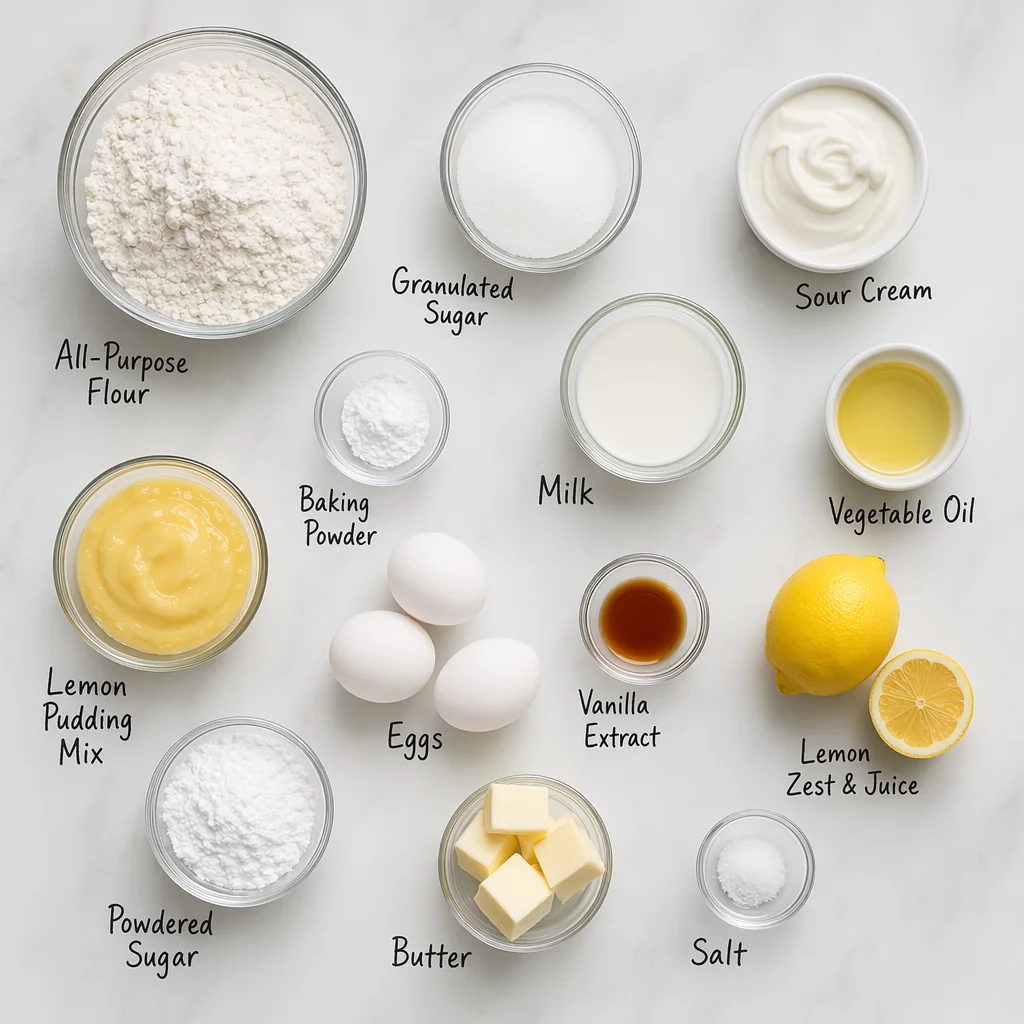
In a medium bowl, whisk together the flour, baking powder, baking soda, and salt. This aerates the flour and evenly distributes the leaveners, which is crucial for a uniform rise. Set aside.

In a large mixing bowl, beat the softened butter and sugar together with an electric mixer on medium speed until light and fluffy, about 3-4 minutes. Scrape down the sides and bottom of the bowl once or twice. The mixture should look pale and increased in volume. The creaming process incorporates air into the batter, which helps the cake rise and creates a tender crumb.
Add the eggs one at a time, beating well after each addition (about 30 seconds each). Then beat in the vanilla extract and lemon zest. The zest adds intense lemon aroma and flavor. If the mixture looks slightly curdled, don’t worry — it will come together once the dry ingredients are added.
With the mixer on low speed, add the dry ingredients in three additions, alternating with the lemonade, starting and ending with the flour mixture. Begin with 1/3 of the flour, then half the lemonade, then another third of flour, the remaining lemonade, and finally the last third of flour. Mix just until combined after each addition — overmixing develops gluten and can make the cake tough. Stop and scrape the bowl as needed. The batter will be thick and slightly bubbly from the lemonade’s carbonation.
Pour the batter into the prepared pan and spread it evenly with a spatula. Bake for 30-35 minutes, or until a toothpick inserted into the center comes out clean or with a few moist crumbs. The top should be golden brown and spring back when lightly touched. If the top browns too quickly, tent loosely with foil after 20 minutes. Let the cake cool in the pan on a wire rack for 10 minutes, then turn out onto the rack to cool completely.
Once the cake is completely cool, you can dust it with powdered sugar or drizzle with a simple lemonade glaze (1 cup powdered sugar + 2 tablespoons lemonade). For serving, place the cake on a stand and garnish with fresh lemon zest or candied lemon peel. Slice and enjoy! Store leftovers in an airtight container at room temperature for up to 3 days.
For best results
- For the best lemon flavor, use homemade lemonade or a high-quality store-bought brand that isn't from concentrate. The carbonation in lemonade helps create a lighter, airier crumb, so avoid flat or diet lemonades which may affect the texture. If using homemade, strain out any pulp for a smoother cake.
- All ingredients should be at room temperature (about 70°F/21°C). Cold eggs or butter can cause the batter to curdle or not cream properly. To quickly bring eggs to room temperature, place them in a bowl of warm water for 5 minutes. For butter, cut into small cubes and let sit for 15-20 minutes.
- When zesting lemons, avoid the white pith which is bitter. Use a microplane or fine grater and only zest the yellow outer layer. You'll need about 2 medium lemons for 2 tablespoons of zest. Roll the lemons on the counter before zesting to release more oils.
- To test doneness without a toothpick, gently press the center of the cake — it should spring back. You can also use a digital thermometer; the internal temperature should be around 200-210°F (93-99°C). If the cake is browning too fast, reduce oven temperature by 25°F and extend baking time slightly.
- For a more intense lemonade flavor, brush the baked cake with a few tablespoons of lemonade while it's still warm. This adds moisture and a tangy punch. Alternatively, poke holes in the cake with a skewer and pour a lemonade syrup over it for a poke cake twist.
- Store the cake in an airtight container at room temperature for up to 3 days. If you live in a humid climate, refrigerate it to prevent mold, but bring to room temperature before serving for best texture. You can also freeze the unglazed cake for up to 3 months — wrap tightly in plastic wrap and foil.
Variations
- For a high-protein version, replace 1/2 cup of the all-purpose flour with 1/4 cup vanilla protein powder and 1/4 cup almond flour. Reduce the sugar by 2 tablespoons and add 1/4 cup Greek yogurt to keep the cake moist. This boosts protein to about 8g per serving while maintaining a tender crumb.
- Make it gluten-free by substituting the all-purpose flour with a 1:1 gluten-free baking blend that contains xanthan gum. Add 1 tablespoon of lemon juice to the batter to enhance the lemon flavor, as gluten-free flours can be slightly blander. Bake time may vary by 5-10 minutes.
- For a vegan version, use flax eggs (2 tablespoons ground flaxseed + 6 tablespoons water, let sit 10 minutes), replace butter with coconut oil or vegan butter, and use a plant-based lemonade. The cake will be slightly denser but still delicious. Add 1/4 cup unsweetened applesauce for extra moisture.
- Turn this into a lemonade bundt cake by doubling the recipe and baking in a greased 10-cup bundt pan for 45-55 minutes. Glaze with a lemonade icing and decorate with edible flowers for a stunning presentation.
- Add 1 cup of fresh blueberries or raspberries to the batter for a lemonade berry cake. Toss the berries in a tablespoon of flour before folding them in to prevent sinking. This adds bursts of juicy sweetness and a beautiful color contrast.
- Create lemonade cupcakes by dividing the batter among 12 lined muffin tins and baking for 18-22 minutes. Top with a lemonade buttercream (1/2 cup butter, 2 cups powdered sugar, 2 tablespoons lemonade) for a portable treat.
Nutrition
- Calories215 kcal
- Total Fat12g
- Saturated Fat7g
- Cholesterol45mg
- Sodium180mg
- Total Carbohydrates26g
- Dietary Fiber1g
- Sugars17g
- Protein3g