

This simple lemonade bake is a quick high-protein dessert option for busy professionals. Made with tangy lemonade for a burst of citrus flavor, this moist cake is perfect for summer…
Ingredients
Instructions
Preheat your oven to 350°F (175°C) and prepare a 9-inch round cake pan by greasing it thoroughly with butter or non-stick spray, then dusting with flour. This ensures the cake releases easily after baking. For extra insurance, you can line the bottom with a parchment paper round. The tangy lemonade in this recipe reacts with the baking soda (if using) to create a tender crumb, so proper pan preparation is key to preserving that delicate texture.
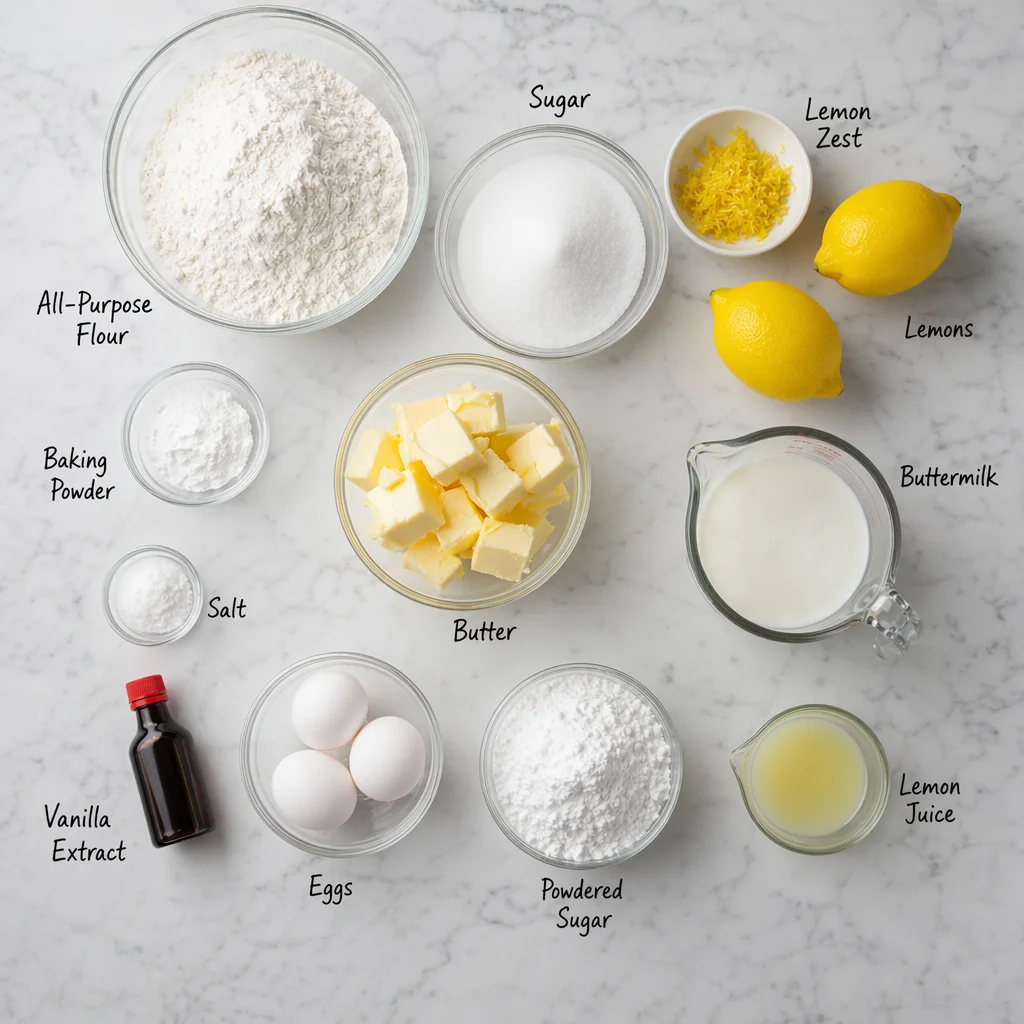
In a large mixing bowl, combine the all-purpose flour and granulated sugar. Whisk them together to aerate and distribute the sugar evenly. This dry mixture forms the base of your cake. The sugar not only sweetens but also helps tenderize the gluten, resulting in a softer crumb. If you want a more pronounced lemon flavor, you can rub the lemon zest into the sugar before adding the flour to release the essential oils.

In a separate medium bowl, whisk together the lemonade, eggs, and melted butter until well combined. The lemonade should be at room temperature to blend smoothly with the butter; if it’s cold, the butter may seize. The eggs should also be room temperature to ensure a homogeneous batter. This wet mixture provides moisture and structure. The acidity of the lemonade will help activate any leavening agents and contribute to a light, airy texture.
Pour the wet ingredients into the dry ingredients and stir gently with a spatula or wooden spoon until just combined. Do not overmix; a few small lumps are fine. Overmixing develops gluten, which can make the cake tough and dense. The batter should be thick but pourable. If it seems too thick, add an extra tablespoon of lemonade. Fold in the lemon zest at this stage to ensure it’s evenly distributed throughout the batter.
Transfer the batter to the prepared cake pan and spread it evenly. Bake in the preheated oven for 30-35 minutes, or until a toothpick inserted into the center comes out clean or with a few moist crumbs. The cake should be golden brown on top and the edges will start to pull away from the pan. The internal temperature should reach about 200°F (93°C). Let the cake cool in the pan for 10 minutes, then turn it out onto a wire rack to cool completely.
While the cake cools, prepare a simple lemonade glaze by whisking together 1 cup of powdered sugar with 2-3 tablespoons of lemonade until smooth. Adjust consistency: add more lemonade for a thinner glaze or more powdered sugar for a thicker one. Once the cake is completely cool, drizzle the glaze over the top, allowing it to drip down the sides. Garnish with additional lemon zest for a pop of color and flavor. Slice and serve. Store leftovers in an airtight container at room temperature for up to 3 days.
For best results
- For the best flavor, use homemade lemonade made from fresh lemons, sugar, and water. Bottled lemonade often contains preservatives and high-fructose corn syrup that can alter the taste and texture. If using store-bought, choose a brand with no artificial flavors and a simple ingredient list. The acidity level can vary, so if your lemonade is particularly tart, reduce the amount by a tablespoon and add a splash of milk to maintain moisture.
- Room temperature ingredients are crucial for a smooth, evenly baked cake. Cold eggs and butter can cause the batter to curdle or lead to uneven rising. To quickly bring eggs to room temperature, place them in a bowl of warm water for 5 minutes. For butter, cut it into small cubes and let it sit on the counter for 15 minutes. This small step makes a big difference in the final crumb.
- To boost the protein content without sacrificing texture, you can substitute 1/4 cup of the all-purpose flour with vanilla or unflavored protein powder. Choose a whey or plant-based protein that blends well. Be aware that protein powder can absorb more liquid, so you may need to add an extra tablespoon of lemonade or milk. This adjustment keeps the cake moist while adding about 5-7 grams of protein per serving.
- If you prefer a dairy-free version, replace the butter with an equal amount of coconut oil (melted) or a high-quality vegan butter stick. The flavor will be slightly different—coconut adds a subtle tropical note—but the texture remains tender. Use a flax egg (1 tablespoon ground flaxseed mixed with 3 tablespoons water) for the eggs, and ensure your lemonade is dairy-free. The cake will be just as delicious and inclusive for various dietary needs.
- Storage tip: This lemonade cake stays moist for days if stored properly. Wrap the cooled cake tightly in plastic wrap and then place it in an airtight container. You can also refrigerate it for up to a week; just let it come to room temperature before serving to restore its softness. For longer storage, freeze individual slices wrapped in plastic and foil for up to 3 months. Thaw overnight in the fridge.
- For an extra burst of lemon flavor, brush the warm cake with a lemonade syrup (equal parts lemonade and sugar heated until dissolved) before glazing. This technique, called soaking, infuses the cake with moisture and tanginess, making it even more irresistible. Simply poke holes in the cake with a skewer and pour the syrup over it while it's still warm.
Variations
- Lemon Blueberry Cake: Gently fold 1 cup of fresh or frozen blueberries into the batter just before pouring it into the pan. Toss the blueberries in a tablespoon of flour first to prevent them from sinking to the bottom. The blueberries add a pop of color and a sweet-tart contrast that complements the lemonade flavor beautifully. If using frozen berries, do not thaw them; add them directly to the batter to avoid excess moisture.
- Vegan Lemonade Cake: Replace the eggs with flax eggs (2 tablespoons ground flaxseed mixed with 6 tablespoons water, let sit for 5 minutes). Use a plant-based butter or coconut oil. Ensure your lemonade is vegan. The texture will be slightly denser but still moist and delicious. You can also add a tablespoon of apple cider vinegar to the lemonade to help the cake rise, as the acidity reacts with baking soda if you choose to add 1/2 teaspoon.
- Gluten-Free Lemonade Cake: Substitute the all-purpose flour with a 1:1 gluten-free baking flour blend that contains xanthan gum. Do not overmix the batter, as gluten-free flours can become gummy. Add an extra tablespoon of lemonade to compensate for the absorbency of the blend. The cake will be tender and slightly crumblier but equally tasty. Let it cool completely before slicing for cleaner pieces.
- Lemon Poppy Seed Cake: Add 2 tablespoons of poppy seeds to the dry ingredients along with the flour. The poppy seeds provide a pleasant crunch and a nutty flavor that pairs wonderfully with lemon. This variation is classic and elegant, perfect for brunch or tea time. You can also drizzle a lemon glaze with a pinch of poppy seeds on top for garnish.
- High-Protein Lemonade Cake: Increase the protein content by adding 1/2 cup of Greek yogurt or cottage cheese (blended smooth) to the wet ingredients. This adds moisture and a significant protein boost (about 8-10 grams per serving). Reduce the butter by 2 tablespoons to balance the fat content. The yogurt also adds a slight tang that enhances the lemon flavor.
Nutrition
- Calories215 kcal
- Total Fat9g
- Saturated Fat5g
- Cholesterol55mg
- Sodium120mg
- Total Carbohydrates32g
- Dietary Fiber1g
- Sugars18g
- Protein4g