
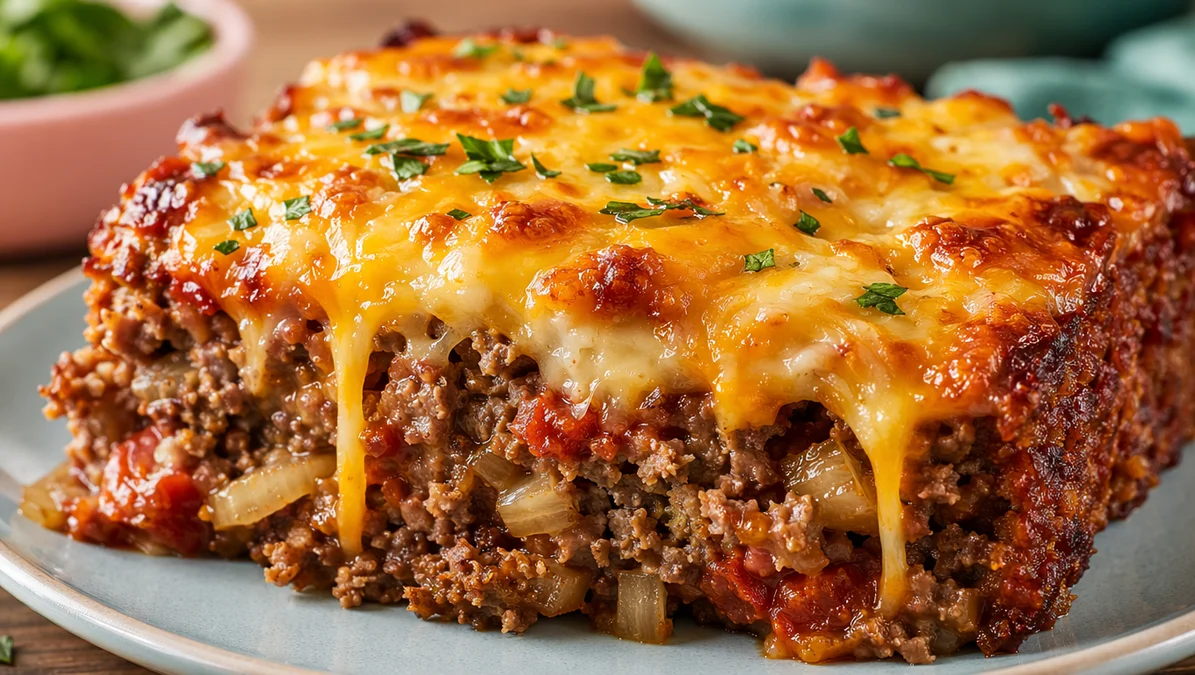
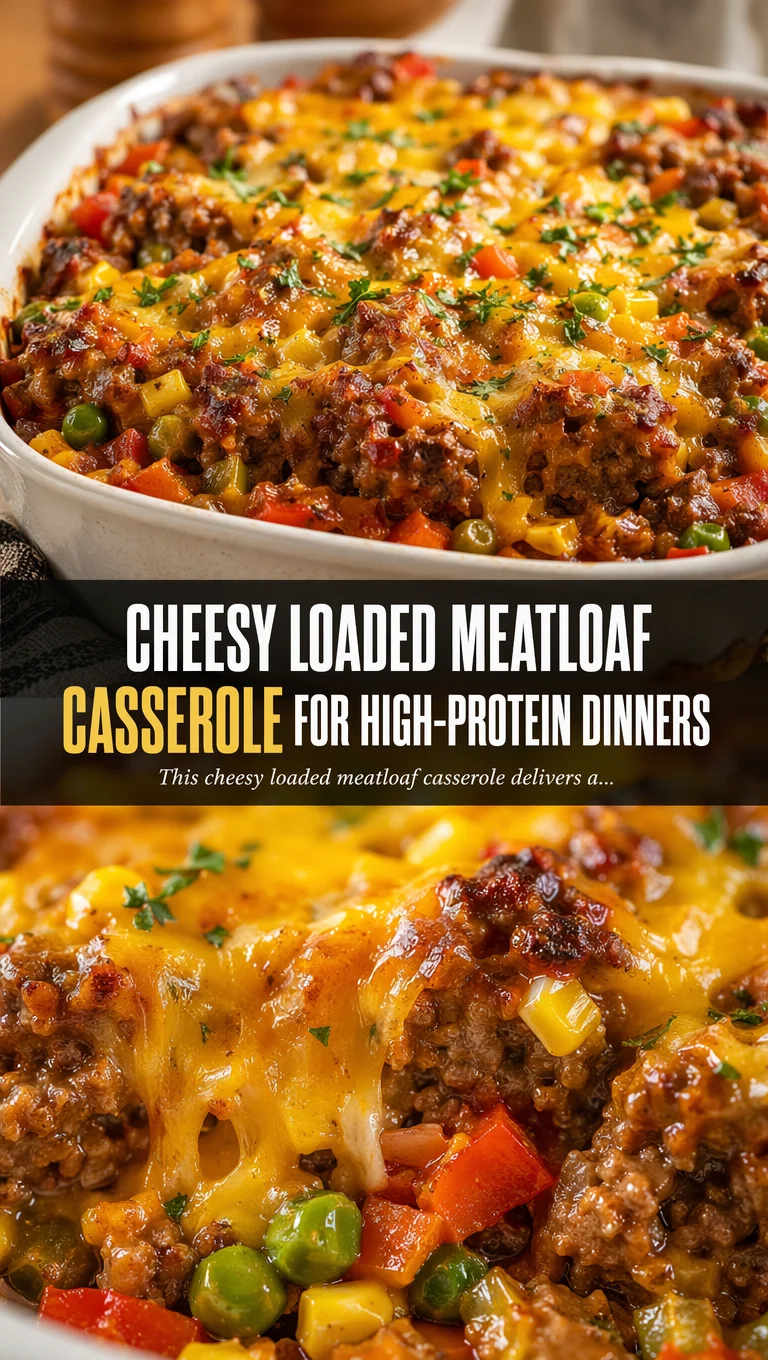
This cheesy loaded meatloaf casserole delivers a high-protein dinner option using ground beef and melted cheese for maximum flavor. A quick, macro-friendly meal with vegetables for busy professionals.
Ingredients
Instructions
Preheat your oven to 375°F (190°C). While the oven heats, prepare a 9×13-inch baking dish by lightly greasing it with non-stick spray or a thin layer of olive oil. This prevents sticking and makes cleanup easier. Set the dish aside. The moderate oven temperature ensures even cooking without drying out the meatloaf base, while the preheating step is crucial for consistent results from the moment the casserole enters the oven.
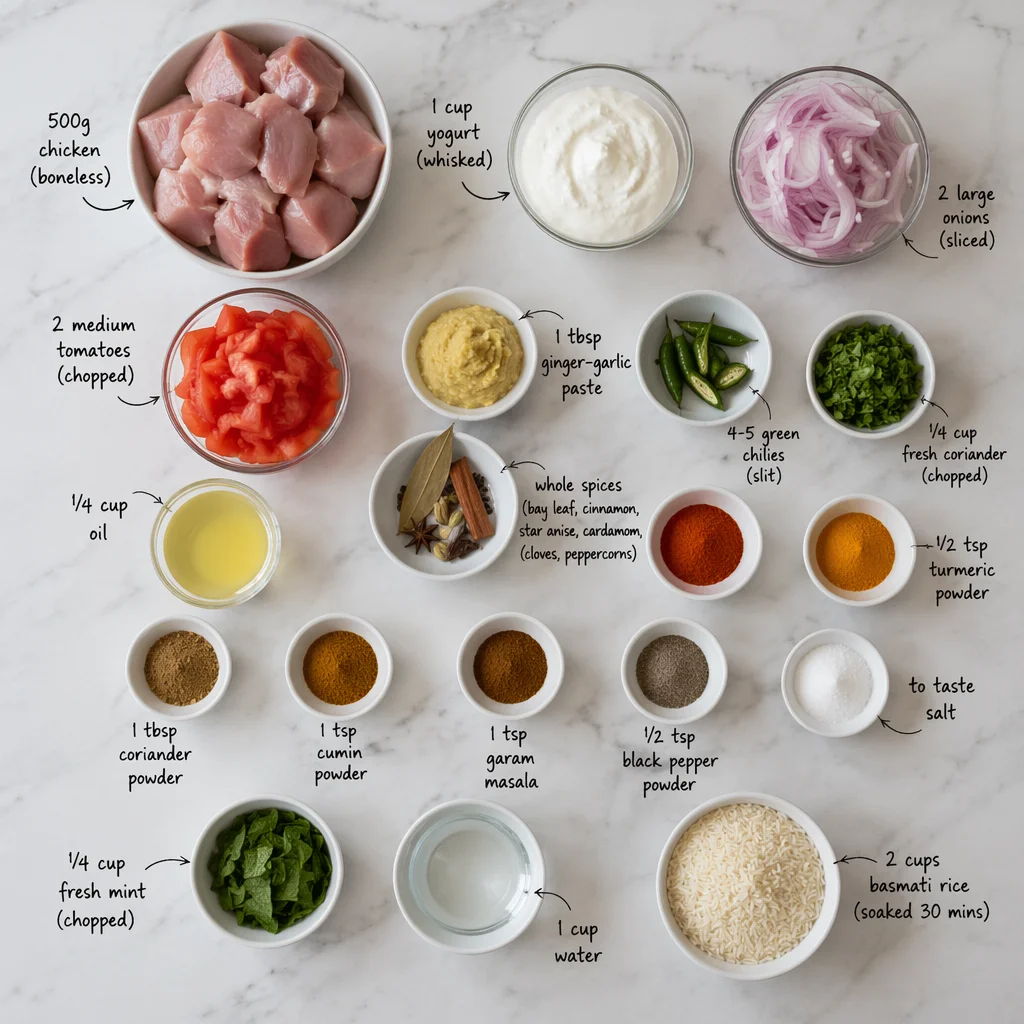
In a large mixing bowl, combine the ground beef, finely diced onion, minced garlic, bell pepper, zucchini, mushrooms, crushed tomatoes, beaten egg, breadcrumbs, Worcestershire sauce, oregano, basil, salt, and black pepper. Use your hands or a sturdy spatula to mix until just combined—overmixing can make the meatloaf dense and tough. The vegetables should be evenly distributed throughout the meat mixture, ensuring every bite is packed with flavor and nutrients. The egg acts as a binder, while the breadcrumbs absorb excess moisture and add structure.
Transfer the meat mixture to the prepared baking dish and press it into an even layer using your hands or the back of a spoon. Aim for a uniform thickness of about 1 inch (2.5 cm) to promote even cooking. Smooth the top slightly, but don’t compress too firmly—a light hand keeps the texture tender. The casserole should fill the dish evenly, leaving a small border around the edges to allow for slight shrinkage during baking.
Bake the meatloaf base uncovered for 25 minutes. During this time, the meat will cook through and begin to brown on the surface. The internal temperature should reach at least 160°F (71°C) for food safety. You’ll notice the edges starting to caramelize and the vegetables releasing their moisture, creating a savory, aromatic base. If you see excess liquid pooling, you can carefully spoon it off to avoid a soggy casserole, though some juices are natural and will be absorbed.
After 25 minutes, remove the dish from the oven. Sprinkle the remaining 1 cup of shredded cheddar cheese and the grated Parmesan evenly over the top of the meatloaf. The residual heat will begin melting the cheese immediately. Return the dish to the oven and bake for an additional 10–15 minutes, until the cheese is fully melted, bubbly, and golden brown in spots. For a deeper golden crust, switch the oven to broil for the last 2–3 minutes, watching closely to prevent burning.
Remove the casserole from the oven and let it rest for 5–10 minutes. This resting period allows the juices to redistribute throughout the meat, ensuring each slice is moist and flavorful. Garnish with fresh chopped parsley if desired, for a pop of color and freshness. Slice into 6 equal portions and serve warm. The casserole pairs beautifully with a simple green salad, steamed vegetables, or cauliflower rice for a low-carb option.
For best results
- For the best texture, use lean ground beef with a 90/10 lean-to-fat ratio. Higher fat content (like 80/20) can make the casserole greasy, while extra-lean (93/7) may result in a drier final dish. If you only have higher-fat beef, drain off excess fat after the first bake before adding cheese. Alternatively, you can substitute ground turkey or chicken for a lighter option—just add a tablespoon of olive oil to compensate for lower fat content.
- Finely chopping the vegetables is key to a cohesive casserole that holds together when sliced. Use a food processor for quick, uniform chopping, or invest time in dicing by hand. The vegetables should be about ¼-inch (6mm) pieces. Larger chunks can release too much moisture during baking, leading to a soggy casserole, and may cause the meatloaf to fall apart. Sautéing the vegetables briefly before mixing can also help reduce moisture and intensify flavor.
- To ensure the casserole slices cleanly, let it rest for at least 5 minutes after baking. Cutting too soon will cause the juices to run out and the structure to crumble. For neat servings, use a sharp chef's knife or a bench scraper, and wipe the blade clean between cuts. If you're meal prepping, slice the casserole after it has fully cooled to room temperature, then reheat individual portions for best results.
- Boost the protein content even further by mixing in ½ cup of cottage cheese or ricotta into the meat mixture. These dairy additions add creaminess and extra protein without altering the flavor significantly. Alternatively, fold in 1 cup of cooked quinoa or lentils for a fiber and protein boost—this works especially well if you're stretching the meat to feed more people.
- Storage tip: Store leftovers in an airtight container in the refrigerator for up to 4 days. The casserole reheats beautifully in the microwave (1–2 minutes per serving) or in a 350°F oven (10–15 minutes covered with foil). You can also freeze individual portions for up to 3 months—wrap tightly in plastic wrap and then foil, or use freezer-safe containers. Thaw overnight in the fridge before reheating.
Variations
- Low-Carb/Keto Version: Replace the breadcrumbs with ½ cup almond flour or crushed pork rinds. Use full-fat ground beef (80/20) and add an extra tablespoon of olive oil to keep the casserole moist. Skip the crushed tomatoes or use sugar-free tomato sauce to reduce carbs. The cheese topping remains the same—feel free to add more cheddar or a mix of mozzarella and provolone for extra gooeyness.
- Spicy Southwest Twist: Add 1 diced jalapeño (seeds removed for less heat) and 1 teaspoon chili powder to the meat mixture. Replace the crushed tomatoes with a can of Rotel (diced tomatoes with green chiles). Top with pepper jack cheese instead of cheddar, and garnish with fresh cilantro and a squeeze of lime. Serve with avocado slices for a creamy contrast.
- Italian-Inspired Variation: Swap the oregano and basil for 1 teaspoon Italian seasoning, and add ¼ cup chopped sun-dried tomatoes (rehydrated if dried) to the meat mix. Use a blend of mozzarella and provolone for the cheese topping, and sprinkle with red pepper flakes for a kick. Serve with a side of marinara sauce for dipping.
- Turkey or Chicken Version: Substitute ground turkey or chicken for the beef. Since poultry is leaner, add 1 tablespoon olive oil or ¼ cup grated zucchini (squeezed dry) to maintain moisture. Increase the Worcestershire sauce to 2 tablespoons for deeper flavor. The cooking time remains the same, but ensure internal temperature reaches 165°F (74°C).
Nutrition
- Calories385 kcal
- Total Fat22g
- Saturated Fat11g
- Cholesterol115mg
- Sodium620mg
- Total Carbohydrates13g
- Dietary Fiber2g
- Sugars6g
- Protein34g