
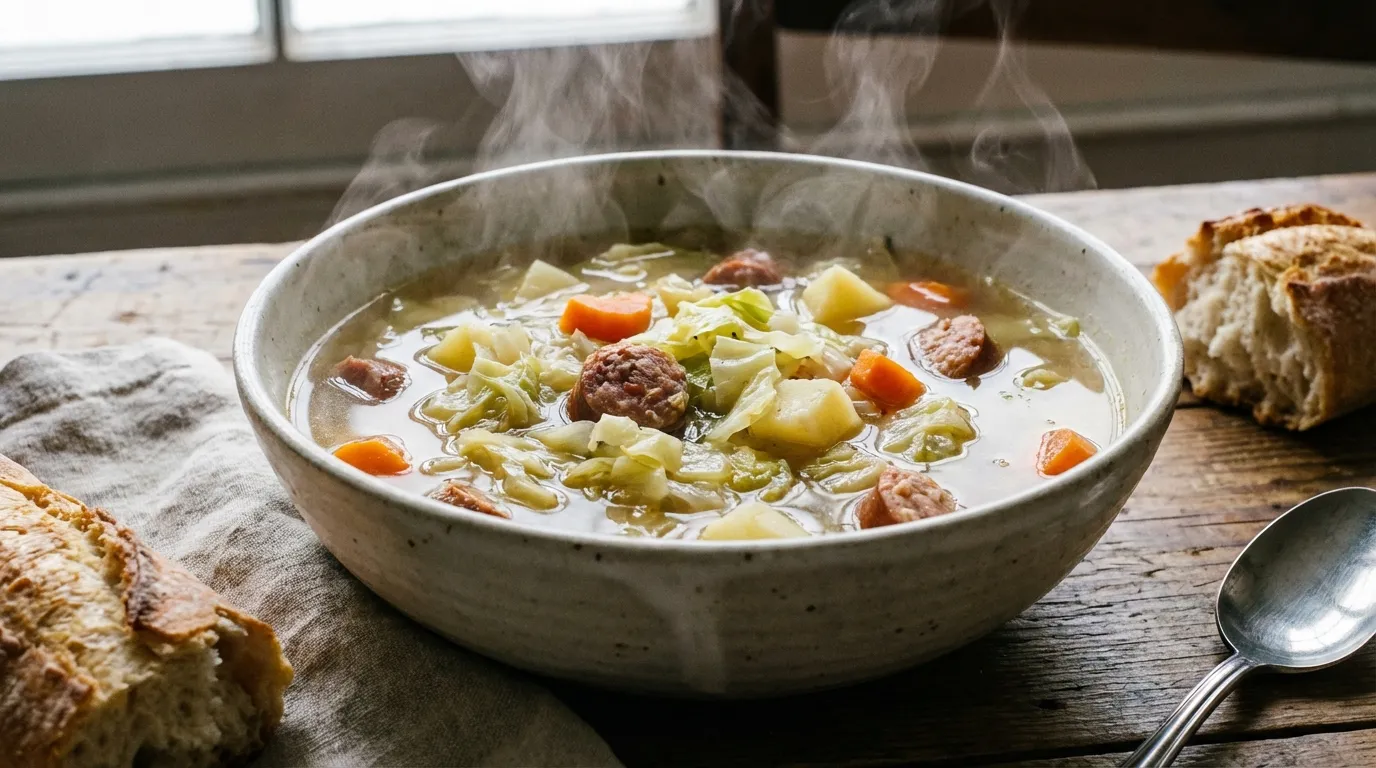
The Mechanics of High-Volume Fiber in Your Prep Cycle
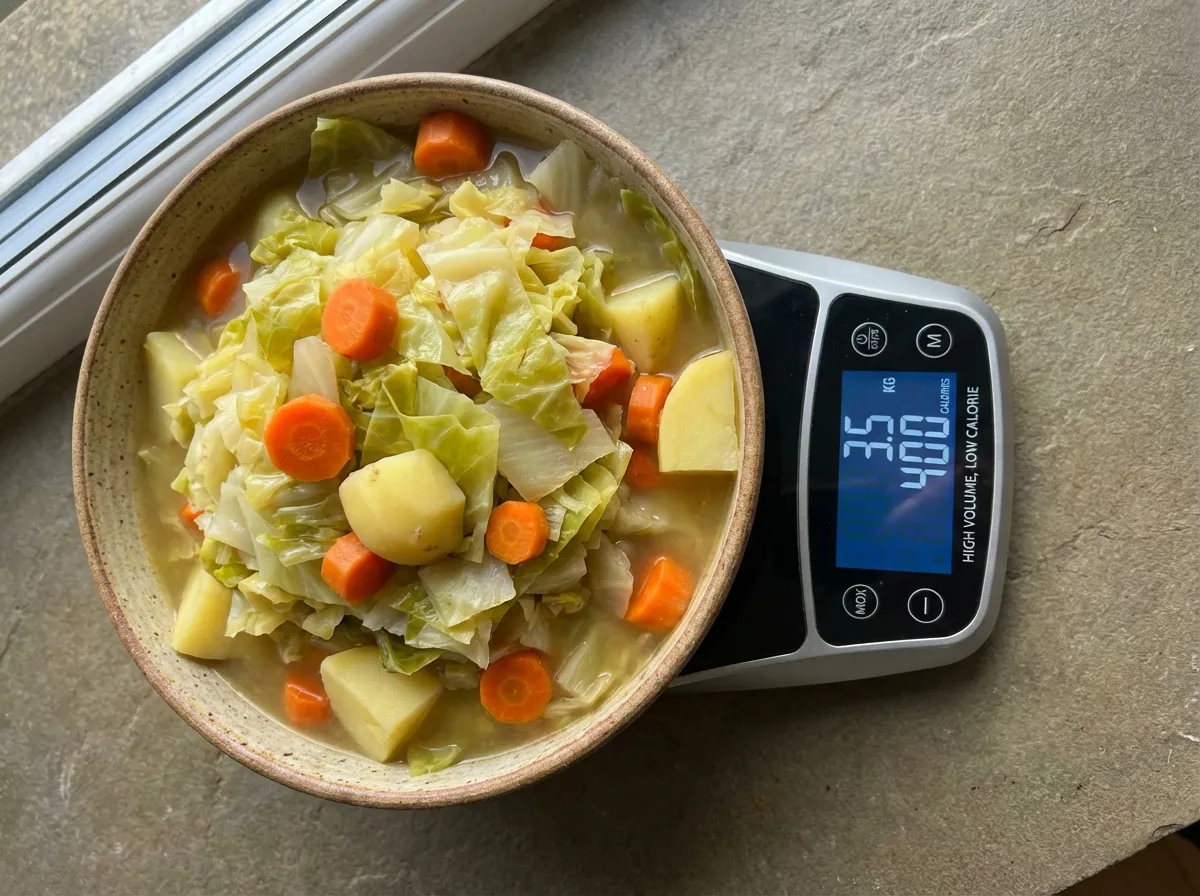
Maximize mechanical satiety with high-volume, low-calorie ingredients.
As a core component of the 1-hour Sunday macro prep system, this batch-cooked high-fiber cabbage soup is a high-volume, low-calorie meal base containing 12 grams of fiber per serving that stabilizes blood glucose and triggers gastric stretch receptors to signal fullness. This soup serves as a mechanical satiety tool, reducing hunger during aggressive caloric deficits while providing phytonutrients to support recovery from resistance training.
Mechanical hunger is the primary cause of diet non-adherence. By utilizing cabbage, a high-volume, low-calorie brassica, you maximize the satiety-per-calorie index. This soup provides a neutral flavor profile that adapts to various lean protein sources, ensuring you maintain caloric limits while physically filling the stomach to suppress the hunger response.
Precision Equipment for Batch-Cooking Success
Precision equipment for batch-cooking consists of a 6-quart heavy-bottomed stockpot, a digital food scale, and borosilicate glass containers. Using a digital food scale eliminates the 200-gram variance common with manual estimation, while heavy-bottomed cookware prevents localized scorching and glass storage maintains ingredient integrity and heat distribution during reheating.
If you are not weighing your cabbage portions, you are not tracking your fiber intake. A digital food scale is the foundation of macro-tracking success. Furthermore, using a high-quality, heavy-bottomed pot ensures even heat distribution, preventing the bitter flavor profile associated with scorched vegetables. Glass containers prevent chemical leaching and ensure the soup remains fresh for up to five days.
Cost Efficiency and Budget Breakdown
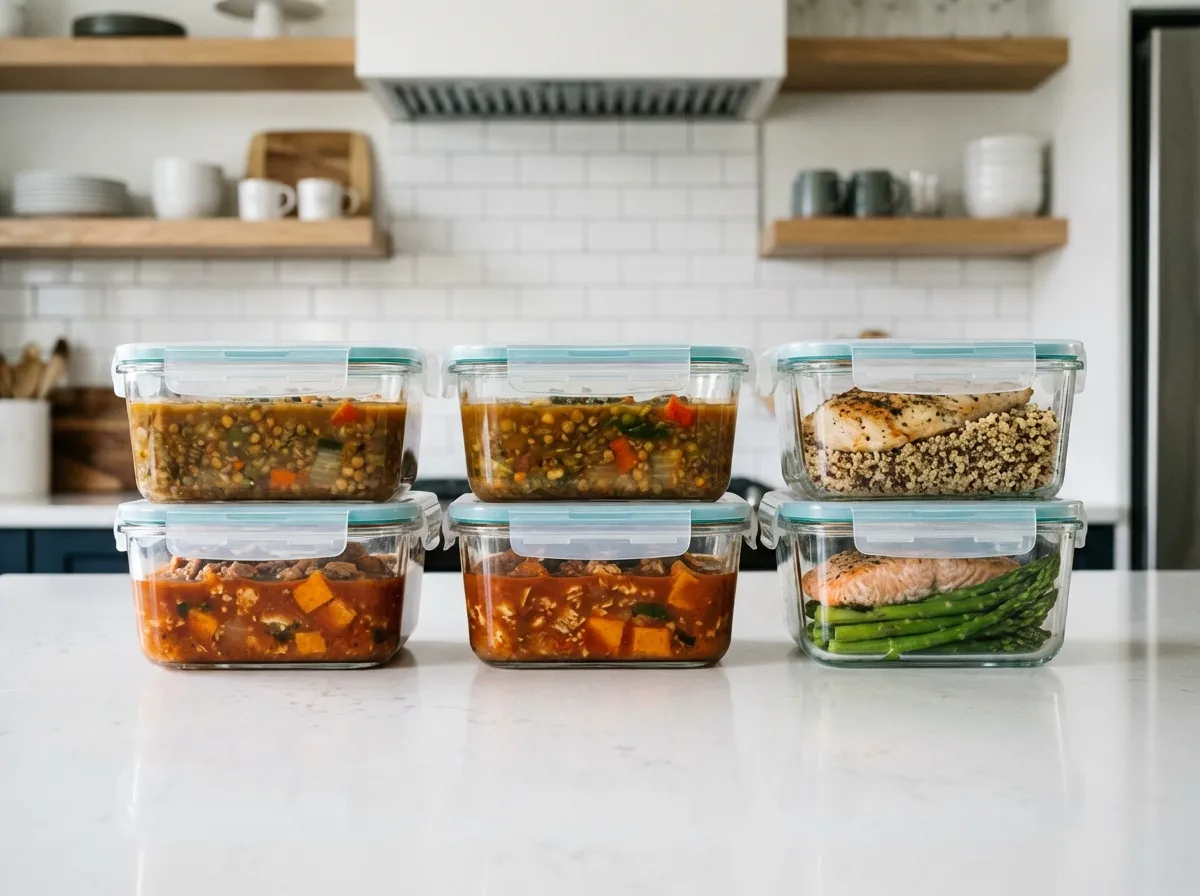
Portion your soup into glass containers and pair with 40g of lean protein for a complete macro-balanced meal.
Batch-cooked cabbage soup costs approximately $0.85 per serving, or $2.10 when paired with 4 ounces of lean chicken breast. This meal preparation strategy reduces weekly food expenditures by roughly $70 compared to fast-casual dining, resulting in an annual savings of $3,640 while maintaining nutritional compliance for the week.
Bodybuilding on a budget requires prioritizing long-shelf-life staples like cabbage, onions, and carrots. By purchasing these items in bulk and allocating your remaining budget to high-quality protein sources, you achieve a lower cost-per-serving. Spending 60 minutes on Sunday processing these inexpensive vegetables provides the financial freedom and nutritional consistency required for a successful cutting phase.
Recipe: High-Fiber Cabbage Soup Base
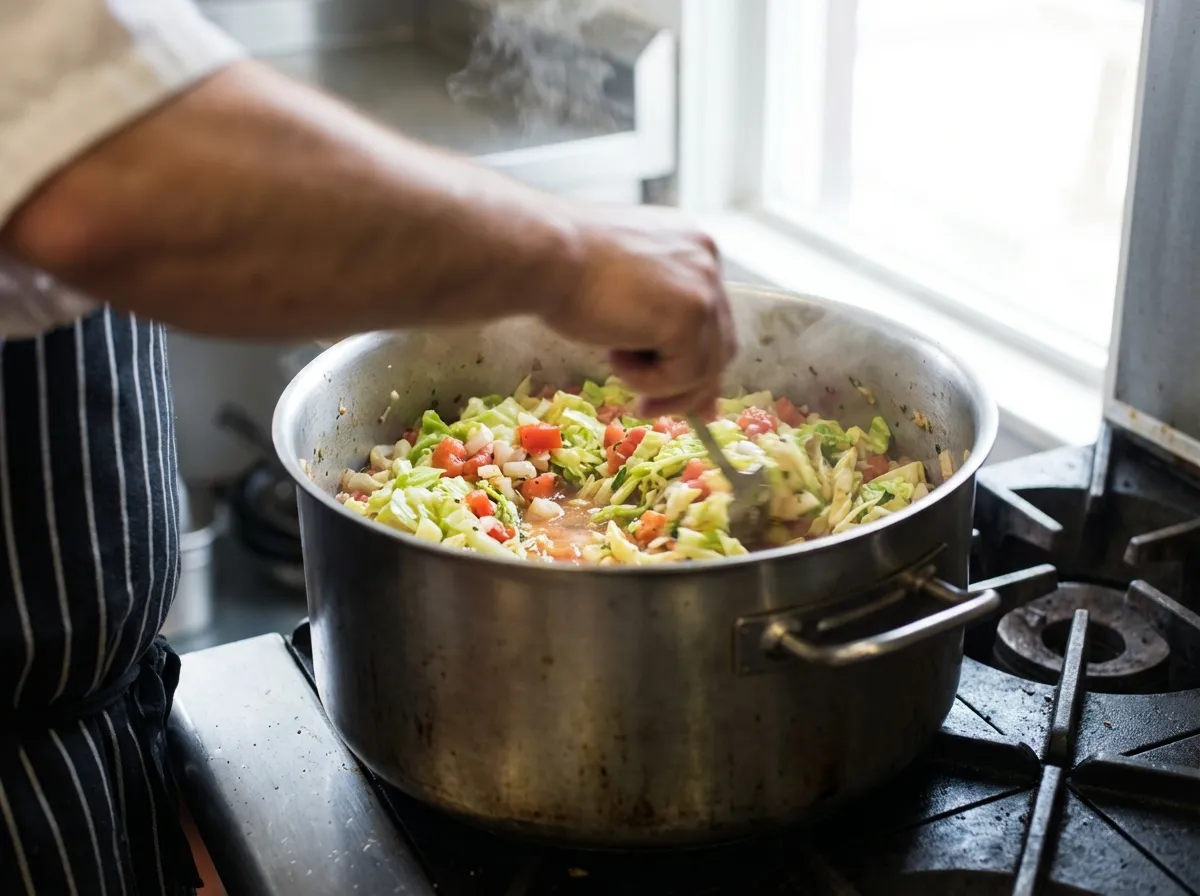
Use a heavy-bottomed pot to ensure even heat distribution during the 45-minute simmer.
This recipe yields six servings of high-volume soup base. It requires 15 minutes of prep time and 45 minutes of cooking time. To maintain structural integrity and nutrient density, the soup must be simmered at 205°F, ensuring the cabbage remains tender-crisp rather than soft or mushy.
Prep Time: 15 minutes
Cook Time: 45 minutes
Yield: 6 servings
Ingredients:
* 900g green cabbage (approx. 1 large head), cored and chopped into 1-inch squares
* 300g yellow onions (approx. 2 medium), diced
* 200g carrots (approx. 3 medium), peeled and sliced into 1/4-inch coins
* 15g fresh garlic (approx. 4 cloves), minced
* 30ml extra virgin olive oil (2 tablespoons)
* 1.5 liters low-sodium chicken bone broth (approx. 6 cups)
* 400g canned diced tomatoes (1 standard can), undrained
* 10g kosher salt (2 teaspoons)
* 3g black pepper (1 teaspoon)
* 5g dried oregano (1 tablespoon)
Instructions:
1. Place a 6-quart stockpot over medium-high heat. Add olive oil and heat until it reaches 350°F (shimmering).
2. Add diced onions and carrots. Sauté for 6–8 minutes until onions are translucent.
3. Stir in minced garlic and oregano. Cook for 60 seconds.
4. Add undrained diced tomatoes to deglaze the pot, scraping the bottom.
5. Add cabbage, salt, and pepper. Cook for 5 minutes until wilted.
6. Pour in bone broth. Bring to a boil, then reduce heat to low.
7. Cover and simmer at 205°F for 30 minutes.
8. Remove from heat and rest for 15 minutes before portioning.
Performance Optimization and Protein Pairing
This soup acts as a glycemic buffer that requires the addition of 4–6 ounces of lean protein, such as chicken breast, tofu, or white fish, to create a complete amino acid profile. The high fiber content slows gastric emptying, preventing energy crashes and supporting sustained satiety throughout the day.
Fiber is a glucose buffer, but it does not contain the amino acids required for muscle hypertrophy. Much like the protein-dense 5-day chicken burrito bowl prep, adding a high-yield protein source immediately before consumption ensures your meal remains muscle-sparing. For optimal results, batch-cook your protein simultaneously and incorporate it into the bowl to create a nutrient-dense, 40g-protein meal that remains calorie-efficient.
Scaling Your Sunday Workflow
Scaling your Sunday workflow involves parallel cooking workflows where the soup simmers for 45 minutes while you prepare proteins and weigh portions using a digital scale. Store the soup in airtight borosilicate glass containers in the refrigerator for up to five days, or freeze in silicone molds for up to three months.
Efficiency is achieved by never cooking soup on weeknights. By using a parallel cooking system, you process your entire week’s volume in under 60 minutes. Always allow the soup to reach room temperature before sealing containers to prevent steam buildup, which creates an environment for bacterial growth and reduces the shelf life of your prep.
Frequently Asked Questions
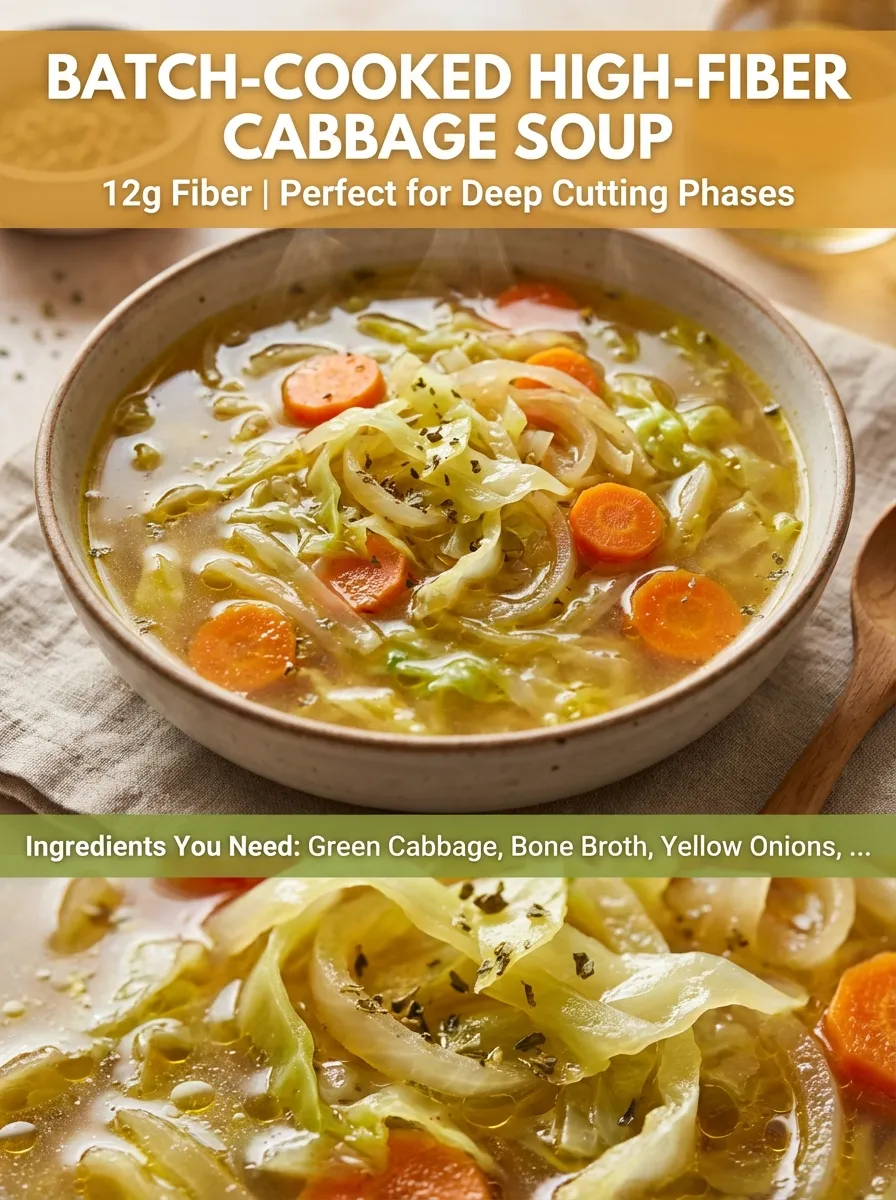
Save this high-volume prep for your next fat loss phase.
How do I prevent the cabbage from getting mushy by day four?
Limit the simmering process to exactly 30 minutes. Residual heat during the cooling phase and subsequent microwave reheating will continue to soften the vegetables. By keeping the cabbage tender-crisp on Sunday, it maintains its structural integrity through Thursday, preventing a mushy texture by the end of the workweek.
Does the sodium in the broth cause water retention?
Low-sodium bone broth keeps the sodium content within healthy athletic parameters. For athletes engaged in heavy resistance training, the 10 grams of kosher salt per six servings supports cellular hydration and proper muscle contraction. If you are training intensely and sweating, this sodium intake is necessary for maintaining electrolyte balance.
Can I blend this soup to drink it instead?
No, blending destroys the mechanical volume of the cabbage. The effectiveness of this recipe relies on the satiety-per-calorie index, which requires chewing fibrous vegetables to trigger gastric stretch receptors. Drinking the soup bypasses these satiety signals, which will lead to increased hunger and decreased adherence shortly after your meal.
Automate Your Nutrition Workflow
Mastering parallel cooking workflows allows you to automate your meal prep, turning high-volume nutrition into a stress-free system. By combining high-fiber cabbage bases with precise protein portions, you eliminate the guesswork from your cutting phase and ensure consistent macro delivery without excessive time in the kitchen.