
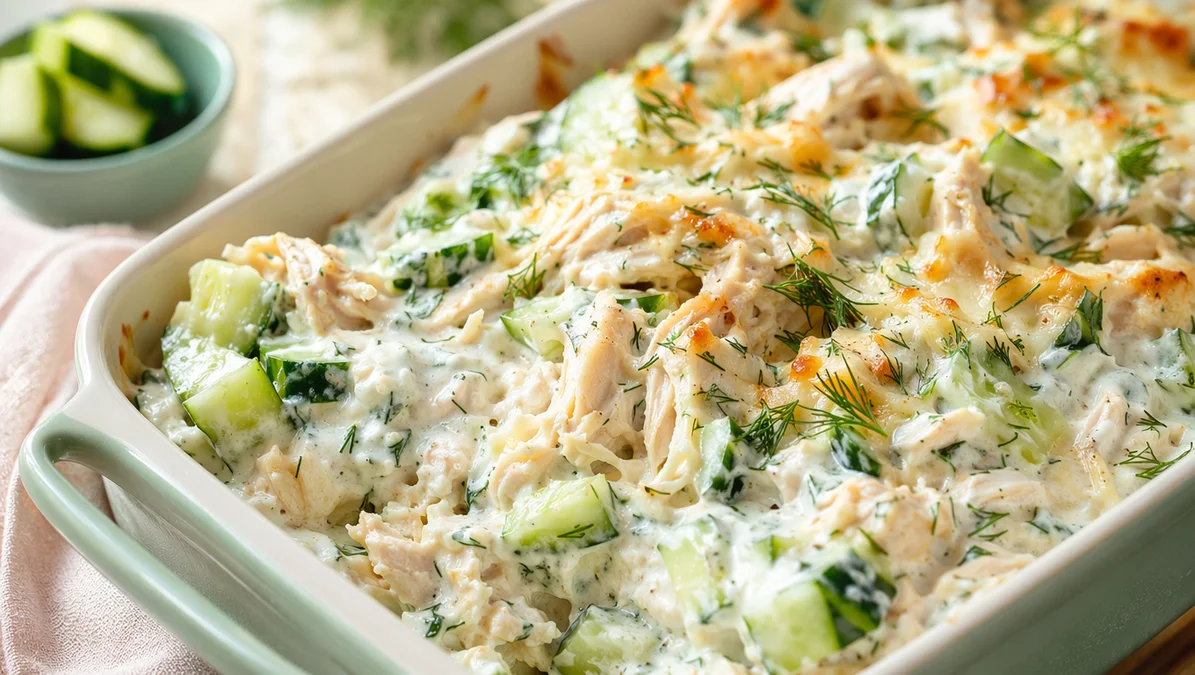
This quick high-protein chicken tzatziki casserole is the perfect easy dinner for busy professionals. Made with Greek yogurt, cucumber, and tender chicken, it's a macro-friendly meal that comes together fast…
Ingredients
Instructions
Preheat your oven to 375°F (190°C). While the oven heats, prepare your baking dish: a 9×13-inch glass or ceramic dish works best for even heat distribution. The preheating step is crucial because placing the casserole into a fully hot oven ensures the chicken starts cooking immediately, locking in juices and preventing it from drying out. If you put it in a cold oven, the gradual temperature rise can lead to overcooked exteriors and undercooked centers. Use a dish that’s large enough to hold the chicken in a single layer with some space around each piece—this allows hot air to circulate and cook the chicken evenly. Glass dishes retain heat well and help the yogurt sauce thicken gently without scorching.
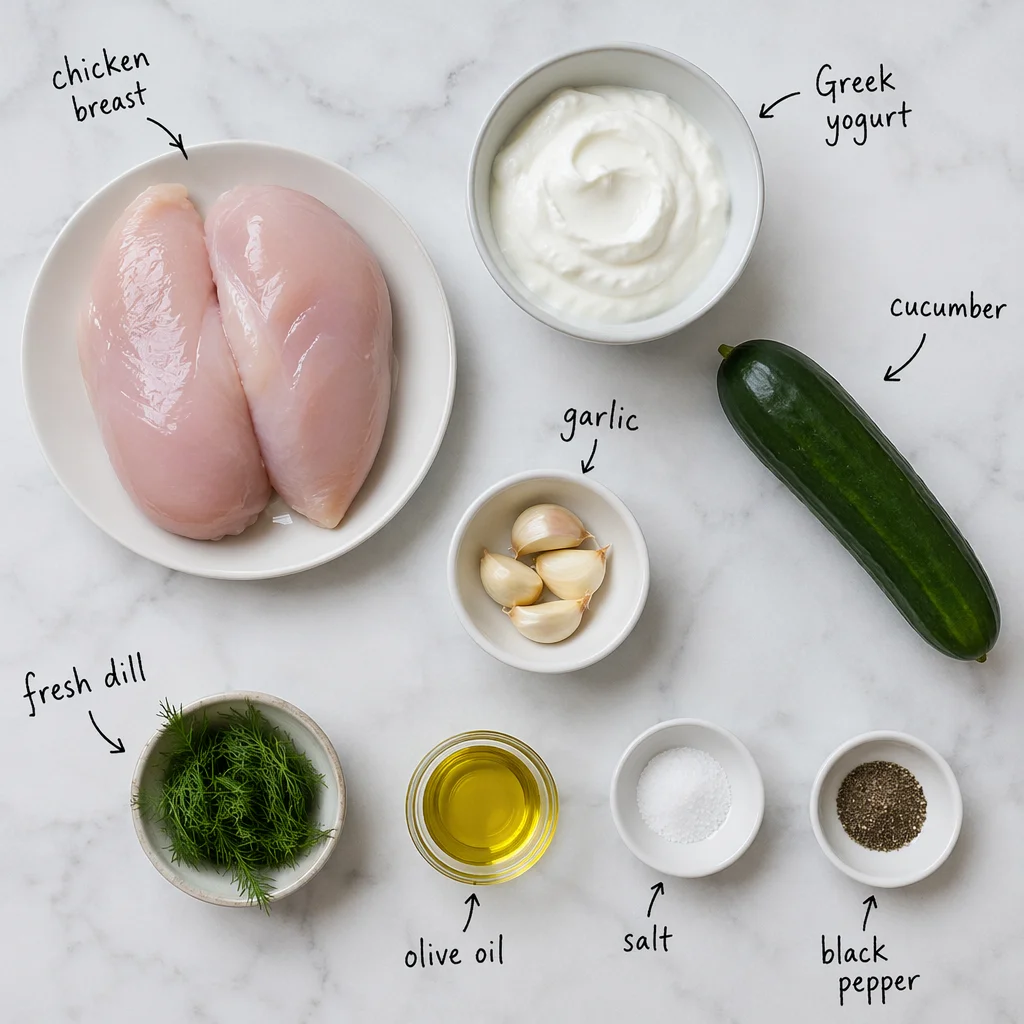
In a medium bowl, combine the Greek yogurt, grated and squeezed cucumber, minced garlic, chopped dill, olive oil, salt, and pepper. Stir until everything is well incorporated. The key here is to squeeze as much liquid as possible from the grated cucumber—this prevents the casserole from becoming watery. After grating, place the cucumber in a clean kitchen towel and wring it tightly over the sink; you’ll be surprised how much water comes out. This step is non-negotiable for a thick, creamy sauce. The yogurt mixture should be thick and spreadable, not runny. Taste and adjust salt or dill to your preference; the flavors will mellow slightly during baking, so aim for a slightly stronger seasoning than you’d eat raw.
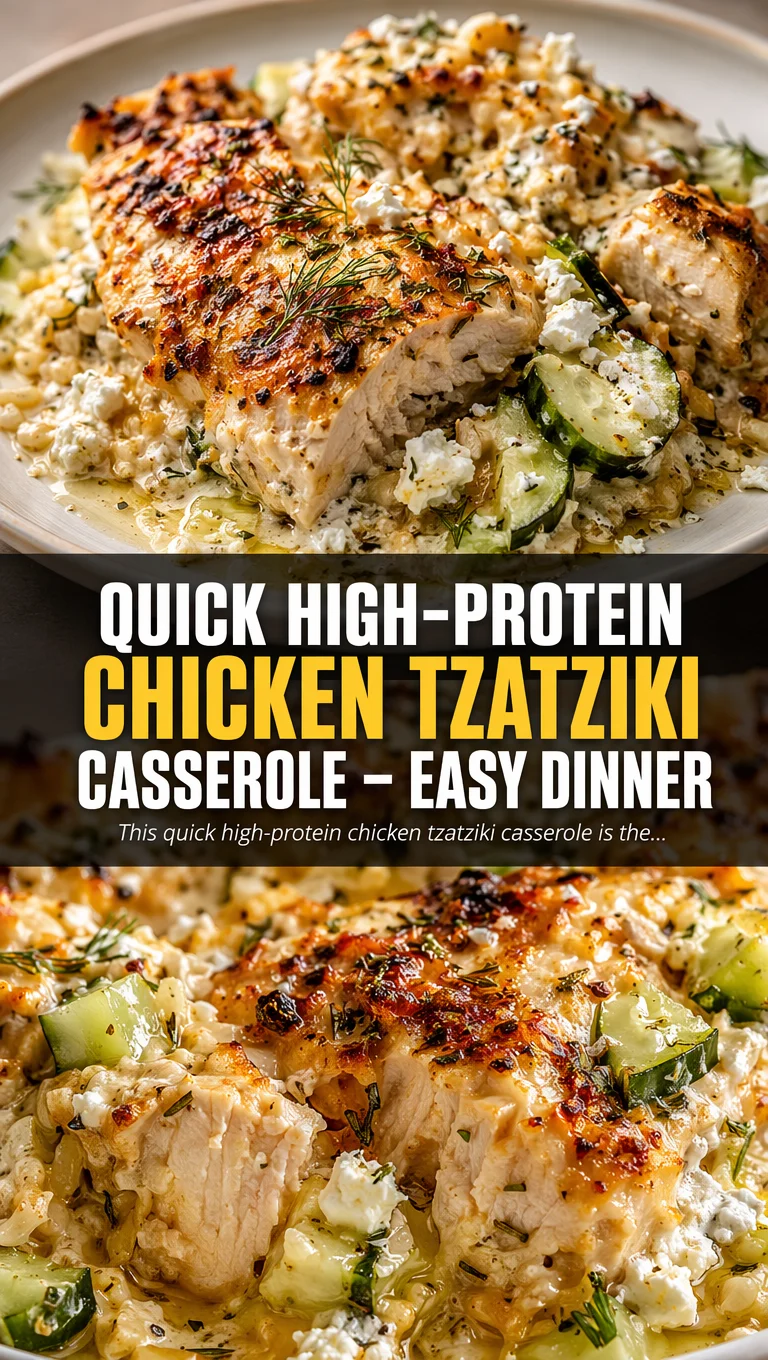
Place the chicken breasts in the prepared baking dish in a single layer. Pour the yogurt mixture over the chicken, using a spatula to spread it evenly, coating each piece thoroughly. Make sure the yogurt covers the tops and sides of the chicken—this acts as a protective layer that traps steam and keeps the meat incredibly moist. Don’t worry if the coating seems thick; it will thin out slightly as the chicken releases juices during baking. For even cooking, try to arrange the chicken pieces with some space between them; if they’re crowded, they’ll steam rather than bake, and the sauce may become too thin. If your chicken breasts are very thick (over 1 inch), consider pounding them to an even thickness for uniform doneness.
Pour the chicken broth around the edges of the dish, being careful not to wash the yogurt coating off the chicken. The broth creates a steamy environment in the oven, which helps the chicken stay tender and also thins the sauce just enough to create a luscious, spoonable consistency. If you prefer a thicker sauce, you can reduce the broth to 1/4 cup. For a richer flavor, use chicken bone broth instead of regular broth—it adds extra protein and a deeper savory note. At this point, if you’re using feta, sprinkle it over the top. The feta will melt and form golden brown spots, adding a salty, tangy contrast to the creamy yogurt.
Bake uncovered for 25-30 minutes, or until the chicken reaches an internal temperature of 165°F (74°C) when tested with an instant-read thermometer inserted into the thickest part. Halfway through baking (around 15 minutes), rotate the dish for even browning. The sauce will bubble and thicken, and the top will develop a light golden color in spots. If you want a more browned, slightly crusty top, you can switch the oven to broil for the last 2-3 minutes, but watch closely to avoid burning. Let the casserole rest for 5 minutes after removing from the oven—this allows the juices to redistribute and the sauce to set slightly. Serve hot, garnished with extra fresh dill and a side of warm pita, rice, or a fresh salad.
For best results
- For the best texture, use full-fat Greek yogurt (at least 2% milkfat). Nonfat yogurt can work but may separate or become grainy due to the higher protein content and lower fat stability. Full-fat yogurt provides a creamier, more luxurious sauce that holds up better during baking. If you're strictly watching calories, 2% Greek yogurt is a good compromise—it still yields a velvety sauce without the extra saturated fat of full-fat versions. Always check the ingredient list: authentic Greek yogurt should have only milk and live active cultures, no thickeners or gums that can affect texture when heated.
- Grating the cucumber and squeezing out the liquid is the single most important step for a non-watery casserole. Use the large holes of a box grater to shred the cucumber—this releases maximum moisture. After grating, place the shreds in a clean kitchen towel or several layers of paper towels and twist tightly to extract as much water as possible. You can also salt the grated cucumber and let it sit for 10 minutes before squeezing; the salt draws out even more moisture. The goal is to remove about 1/4 cup of liquid from one medium cucumber. This concentrated cucumber flavor infuses the yogurt without diluting it.
- Chicken breast thickness matters. If your chicken breasts are uneven or very thick (over 1.5 inches), they may not cook through in the same time as thinner parts. To ensure even cooking, place the chicken between two sheets of plastic wrap and gently pound with a rolling pin or meat mallet to an even 3/4-inch thickness. This not only promotes uniform doneness but also creates a larger surface area for the yogurt coating to cling to, maximizing flavor in every bite. Alternatively, you can use chicken thighs for a juicier, more forgiving option—just increase the baking time by 5-10 minutes.
- Don't skip the resting period after baking. As the casserole rests, the sauce thickens and the chicken fibers relax, reabsorbing some of the juices that were forced out during cooking. If you serve it immediately, you'll notice the sauce is thinner and the chicken may seem drier. Five minutes of rest on the counter (covered loosely with foil) makes a noticeable difference. This is also a good time to prepare any last-minute sides, like a quick cucumber-tomato salad or warm pita bread.
- To store leftovers, let the casserole cool completely, then transfer to an airtight container. It will keep in the refrigerator for up to 4 days. The flavors actually meld and improve overnight, making this a fantastic make-ahead meal. To reheat, place individual portions in a microwave-safe dish and heat in 30-second bursts, stirring the sauce gently to redistribute. For best results, reheat in a 350°F oven for 10-15 minutes, covered with foil, to prevent drying. You can also freeze the baked casserole for up to 3 months—thaw overnight in the fridge and reheat as directed. Note that the sauce may separate slightly after freezing; a vigorous stir will bring it back together.
Variations
- Make it vegetarian: Replace the chicken with 1.5 pounds of firm tofu (pressed and cubed) or 3 cups of chickpeas (canned, drained and rinsed). Tofu will absorb the yogurt sauce beautifully; chickpeas add a nutty, hearty texture. Bake for 20-25 minutes for tofu (until heated through) or 15-20 minutes for chickpeas. You can also add a cup of chopped spinach or kale to the dish for extra greens. This variation is still high in protein (especially with tofu) and works wonderfully as a meatless Monday option.
- Spice it up: Add 1/2 teaspoon of smoked paprika, 1/4 teaspoon of cayenne pepper, or a pinch of red pepper flakes to the yogurt mixture for a smoky, spicy kick. You can also stir in 1 tablespoon of harissa paste for a North African twist. The heat balances the coolness of the yogurt and cucumber, creating a more complex flavor profile. Serve with a dollop of extra yogurt on top to tame the heat if desired.
- Swap the protein: Use boneless, skinless chicken thighs instead of breasts for a juicier, more flavorful casserole. Thighs have a higher fat content, which keeps them moist even if baked a few minutes longer. They also tolerate higher heat better, so you can broil the top for a crispier finish without drying out the meat. Adjust the baking time to 30-35 minutes, or until thighs reach 175°F (80°C) for optimal tenderness. Ground turkey or lean ground beef can also be used—brown the meat first, then mix with the yogurt sauce and bake for 15-20 minutes.
- Add grains for a one-dish meal: Stir 1 cup of cooked quinoa, brown rice, or orzo into the yogurt sauce before pouring over the chicken. The grains absorb the flavorful sauce and make the casserole more filling. If adding grains, increase the chicken broth to 3/4 cup to prevent the dish from drying out. You can also layer uncooked rice at the bottom of the dish (use 1 cup long-grain rice + 1.5 cups broth) and place the chicken on top—the rice will cook in the oven alongside the chicken. Just note that the baking time will increase to about 45 minutes, and you'll need to cover the dish with foil for the first 30 minutes.
Nutrition
- Calories385 kcal
- Total Fat14g
- Saturated Fat4g
- Cholesterol110mg
- Sodium720mg
- Total Carbohydrates8g
- Dietary Fiber1g
- Sugars4g
- Protein52g