
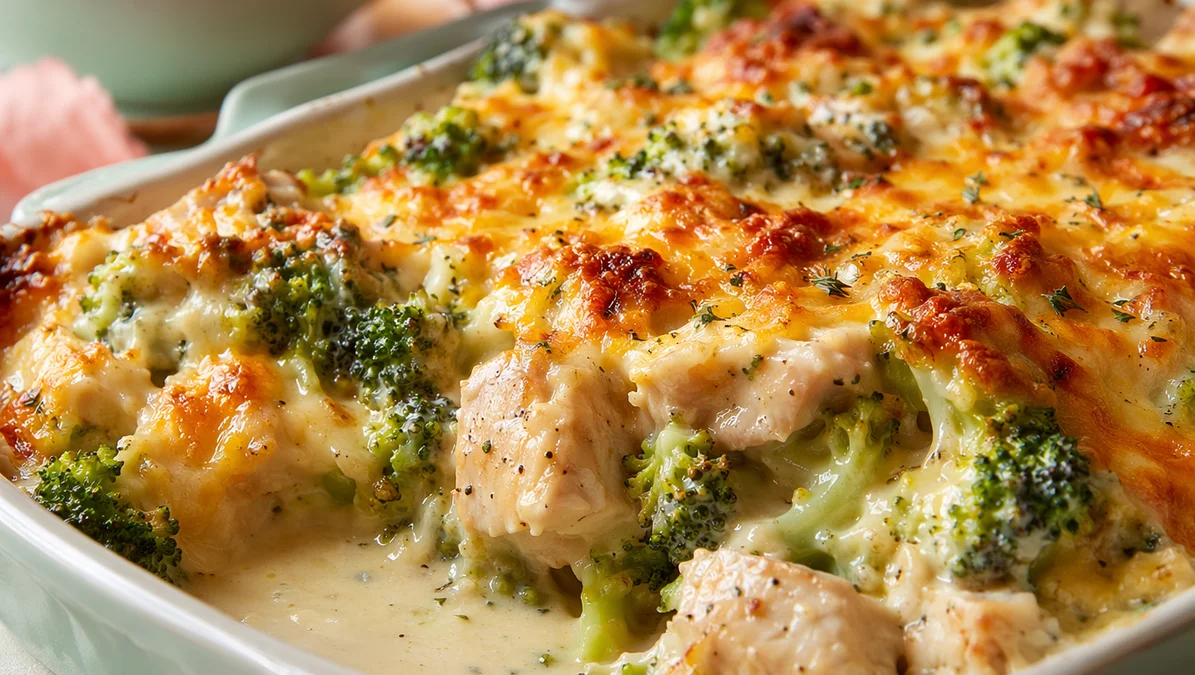
Discover 20 quick high-protein dinner casseroles perfect for busy weeknights. These macro-friendly meals combine lean meats, cheese, and vegetables for a satisfying dinner.
Ingredients
Instructions
Preheat your oven to 375°F (190°C). This temperature ensures the casserole bakes evenly, allowing the cheese to melt into a golden, bubbly crust while the chicken stays tender and the broccoli retains a slight crunch. While the oven heats, lightly grease a 9×13-inch baking dish with cooking spray or a thin layer of olive oil to prevent sticking and make cleanup easier. Set the dish aside.
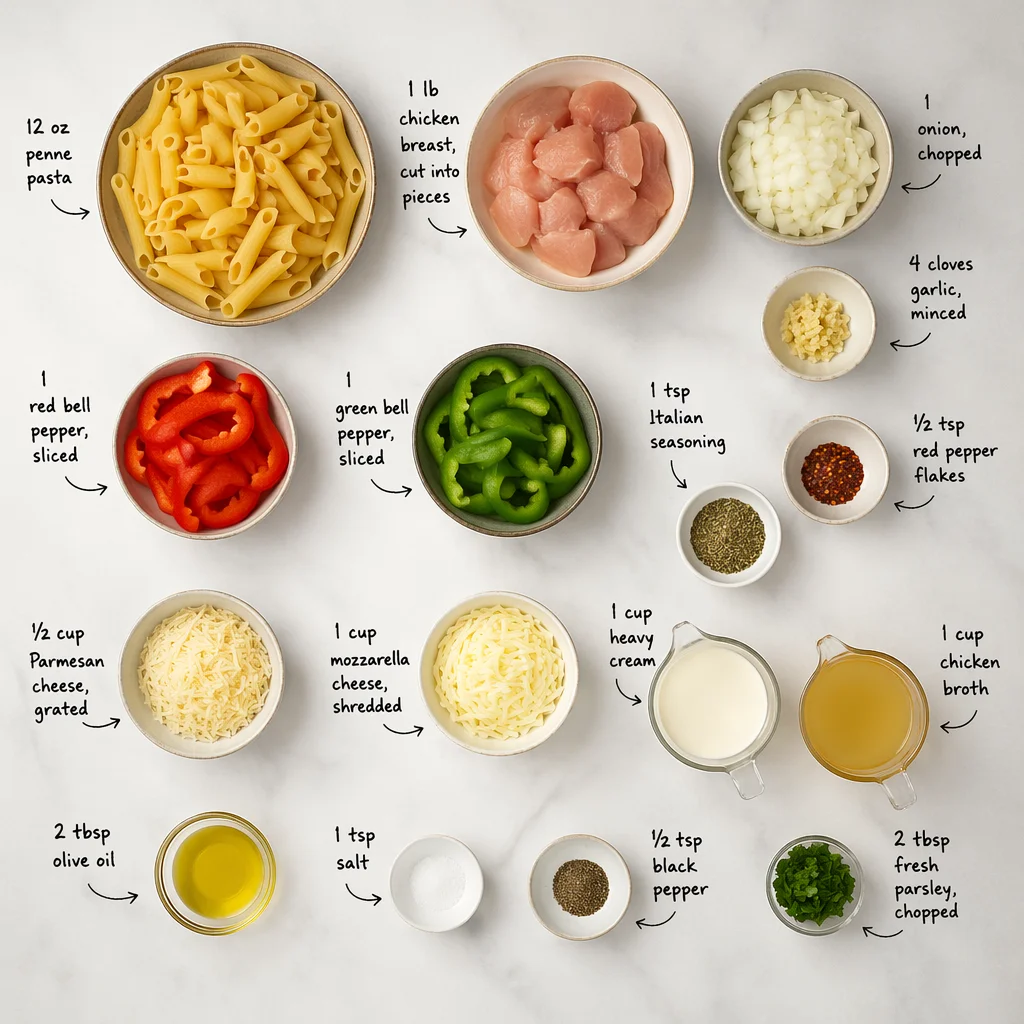
In a large skillet or sauté pan, heat 2 tablespoons of olive oil over medium-high heat until shimmering. Add the diced onion and cook for 3-4 minutes, stirring frequently, until the onion becomes translucent and fragrant. This step builds the aromatic base of the dish. Add the minced garlic and cook for 30 seconds more, just until fragrant—be careful not to burn the garlic, as it can turn bitter. The aroma should be savory and inviting.
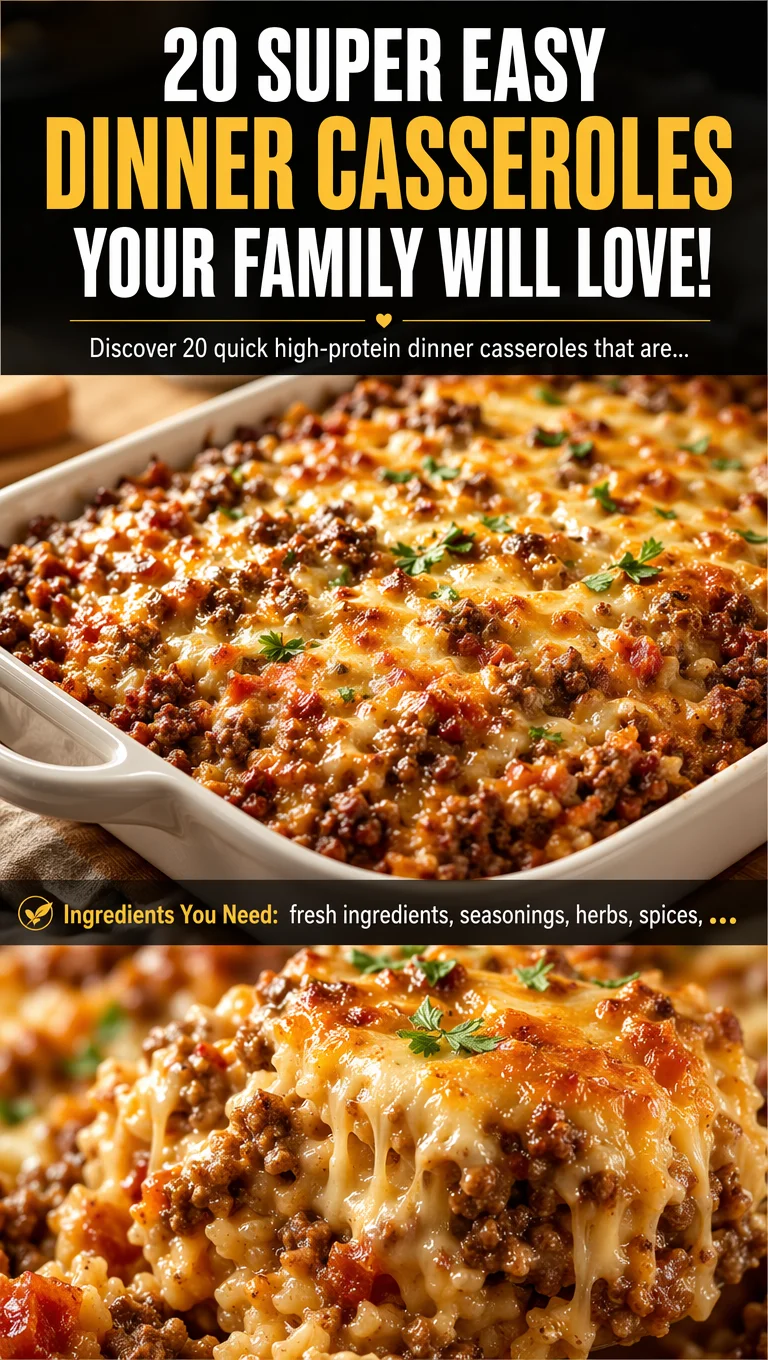
Add the bite-sized chicken pieces to the skillet in a single layer if possible. Season with salt, black pepper, paprika, and dried thyme. Cook without stirring for 2-3 minutes to allow the chicken to develop a light golden sear. Then stir and continue cooking for another 4-5 minutes, until the chicken is cooked through and no longer pink in the center. The internal temperature should reach 165°F (74°C). The chicken should be juicy and lightly browned on the edges. Remove from heat.
If using fresh broccoli, blanch it in boiling water for 2 minutes, then immediately transfer to an ice bath to stop the cooking process. This preserves the bright green color and crisp-tender texture. If using frozen broccoli, thaw it completely and pat dry with paper towels to remove excess moisture—too much water can make the casserole soggy. Set aside.
In a medium bowl, whisk together the condensed cream of chicken soup, sour cream, and milk until smooth. This creamy mixture will bind the casserole and provide a rich, velvety sauce that coats every ingredient. For a lighter version, you can use low-fat soup and Greek yogurt instead of sour cream. The sauce should be smooth and slightly thick, but pourable.
In the prepared baking dish, spread the cooked brown rice or quinoa (if using) in an even layer. This optional base adds whole-grain fiber and makes the casserole more filling. Next, layer the cooked chicken evenly over the grain. Then scatter the broccoli florets over the chicken, distributing them so every serving gets a good amount of vegetables.
Pour the creamy sauce evenly over the entire casserole, using a spatula to gently spread it into all the nooks and crannies. Make sure the sauce reaches the edges and covers the top layer. Then sprinkle the shredded cheddar, mozzarella, and Parmesan cheeses in an even blanket over the top. The combination of cheeses gives a sharp, salty, and melty finish that browns beautifully.
Bake the casserole on the center rack of the preheated oven for 20-25 minutes, until the sauce is bubbly around the edges and the cheese is melted and golden brown. For an extra crispy top, switch the oven to broil for the last 2-3 minutes, watching carefully to prevent burning. The casserole should be hot throughout, with an internal temperature of at least 165°F (74°C).
Remove the casserole from the oven and let it rest for 5 minutes before serving. This resting period allows the sauce to thicken slightly and the layers to set, making it easier to slice and serve. Garnish with fresh chopped parsley or a sprinkle of red pepper flakes for color and a hint of heat. Serve warm, scooping generous portions onto plates. This casserole pairs wonderfully with a crisp green salad or steamed green beans.
For best results
- For the juiciest chicken, avoid overcooking it during the initial sear. Cook just until no longer pink, as the chicken will continue to cook in the oven. If you have time, marinate the chicken pieces in a little olive oil, lemon juice, and garlic for 30 minutes before cooking to infuse extra flavor and tenderness.
- To ensure your broccoli doesn't turn mushy, blanch fresh florets for no more than 2 minutes, then plunge them into ice water. If using frozen broccoli, thaw and pat dry thoroughly. Squeeze out as much moisture as possible with a clean kitchen towel—this simple step prevents a watery casserole and keeps the texture perfect.
- The choice of cheese matters. Sharp cheddar provides a bold flavor, mozzarella adds stretchy melt, and Parmesan brings a nutty, salty finish. For a different profile, try Gruyère for nuttiness or pepper jack for a spicy kick. Always grate your own cheese from a block—pre-shredded cheeses contain anti-caking agents that can prevent smooth melting.
- If you prefer a gluten-free casserole, use a gluten-free cream of chicken soup (or make your own with a cornstarch slurry) and ensure all other ingredients are certified gluten-free. The recipe easily adapts without sacrificing creaminess or flavor.
- To save time on busy nights, prep the casserole up to 24 hours in advance. Assemble it completely but do not bake. Cover tightly with foil and refrigerate. When ready to bake, add 10-15 minutes to the baking time since you'll be starting from cold. You can also freeze the unbaked casserole for up to 3 months; thaw overnight in the fridge before baking.
- Customize the protein: swap chicken for cooked turkey, lean ground beef, or even canned chickpeas for a vegetarian version. Adjust cooking times accordingly—pre-cooked proteins just need to be heated through. This makes the recipe versatile for using leftovers or pantry staples.
Variations
- Vegetarian High-Protein Casserole: Replace the chicken with two cans of drained and rinsed chickpeas or 1.5 cups of cooked lentils. Add a cup of chopped mushrooms and a handful of spinach for extra nutrients. The cooking time remains the same, but you may want to reduce the salt slightly as legumes tend to absorb flavors well.
- Southwest Fiesta Casserole: Give the dish a Tex-Mex twist by substituting the broccoli with bell peppers and corn, using pepper jack cheese instead of cheddar, and adding a can of drained black beans. Season with cumin, chili powder, and a dash of cayenne. Top with fresh cilantro and a squeeze of lime before serving.
- Keto/Low-Carb Casserole: Omit the rice or quinoa entirely. To keep it low-carb, replace the cream of chicken soup with a mixture of 1 cup heavy cream and 1/2 cup chicken broth thickened with a little xanthan gum. Use full-fat cheeses and add extra broccoli or cauliflower to bulk up the volume. This version is rich and satisfying while keeping carbs minimal.
- Turkey and Sweet Potato Casserole: Use ground turkey instead of chicken, and layer thin slices of roasted sweet potato at the bottom instead of rice. The natural sweetness of the potatoes complements the savory turkey and creamy sauce. Add a pinch of cinnamon or nutmeg for a warm, autumnal flavor.
- Dairy-Free Adaptation: Substitute the sour cream with dairy-free yogurt or coconut cream, use a dairy-free cream of mushroom soup (or make a roux with olive oil and almond milk), and replace the cheeses with a high-quality dairy-free shredding blend. Nutritional yeast can be added for a cheesy flavor. The texture will be slightly different but still delicious.
Nutrition
- Calories385 kcal
- Total Fat18g
- Saturated Fat9g
- Cholesterol95mg
- Sodium720mg
- Total Carbohydrates22g
- Dietary Fiber3g
- Sugars5g
- Protein34g