
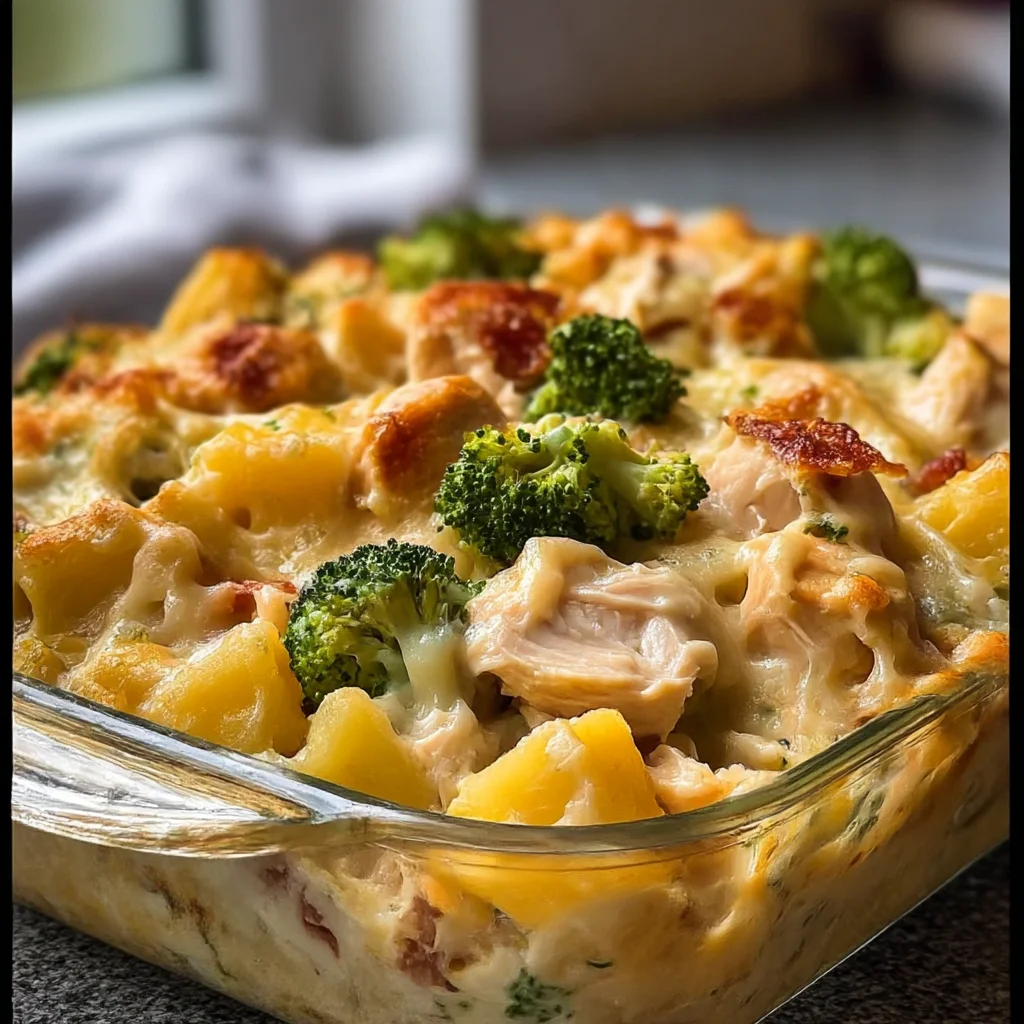
This high-protein chicken broccoli casserole delivers a low carb dinner with over 35g protein per serving. Made with chicken, broccoli, and cheese, it's perfect for macro-friendly meal prep.
Ingredients
Instructions
Preheat your oven to 375°F (190°C). While the oven heats, prepare the chicken. Pat the chicken breasts dry with paper towels—this removes excess moisture and helps the seasoning stick better, ensuring a flavorful sear. Season both sides evenly with garlic powder, onion powder, salt, and pepper. Rub the spices in gently. Heat olive oil in a large oven-safe skillet (preferably cast iron or stainless steel) over medium-high heat until shimmering. Carefully place the chicken breasts in the hot skillet. Sear for 4-5 minutes per side until golden brown. The chicken should release easily from the pan when properly seared; if it sticks, give it another minute. The internal temperature should reach about 155°F (68°C) at this point—it will finish cooking in the oven. Transfer the seared chicken to a cutting board and let rest for 5 minutes. Then slice into bite-sized cubes or strips. The resting step is crucial as it allows juices to redistribute, keeping the chicken moist.
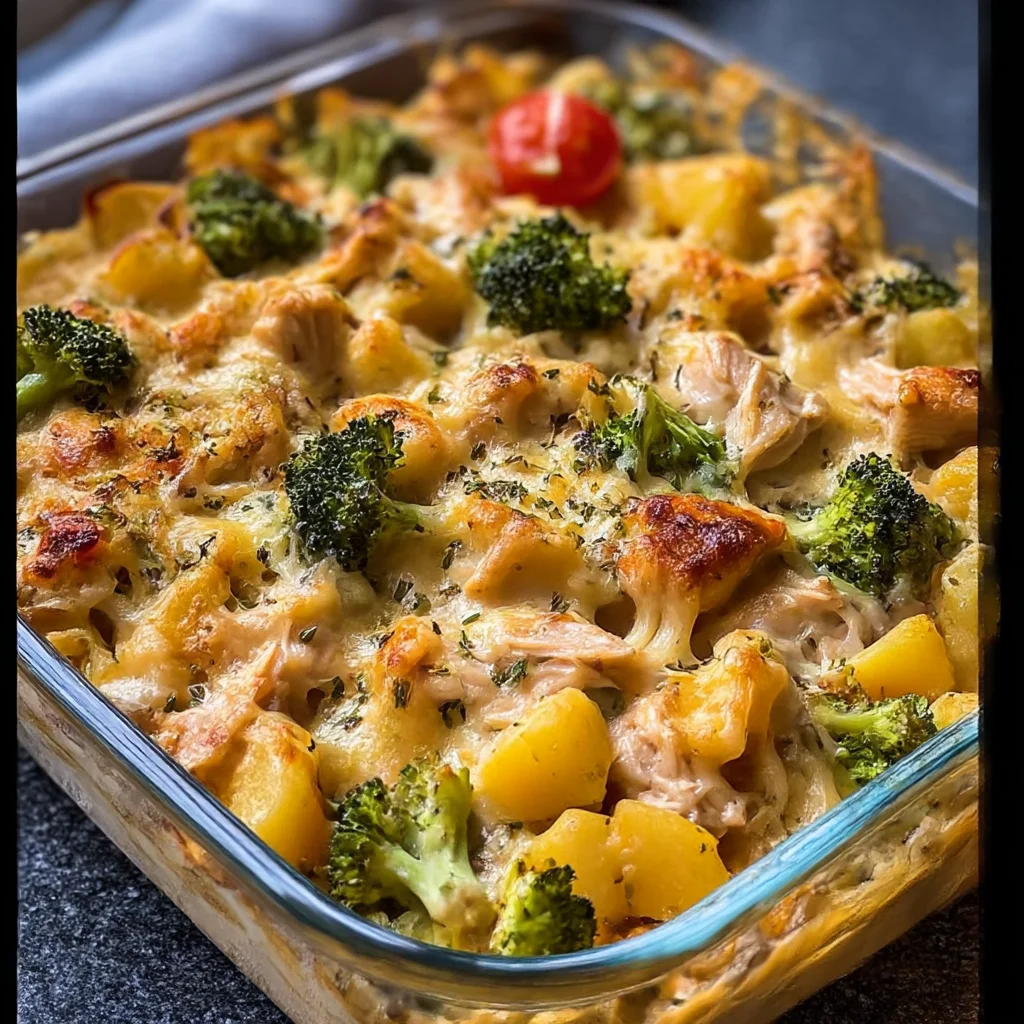
In the same skillet, reduce heat to medium and add the broccoli florets. If using fresh broccoli, you may need a splash of water (about 2 tablespoons) and cover with a lid to steam for 2-3 minutes until bright green and just tender. For frozen broccoli, simply sauté for 1-2 minutes to remove excess moisture. The goal is to partially cook the broccoli so it finishes perfectly in the oven without becoming mushy. Transfer the broccoli to a plate and set aside.
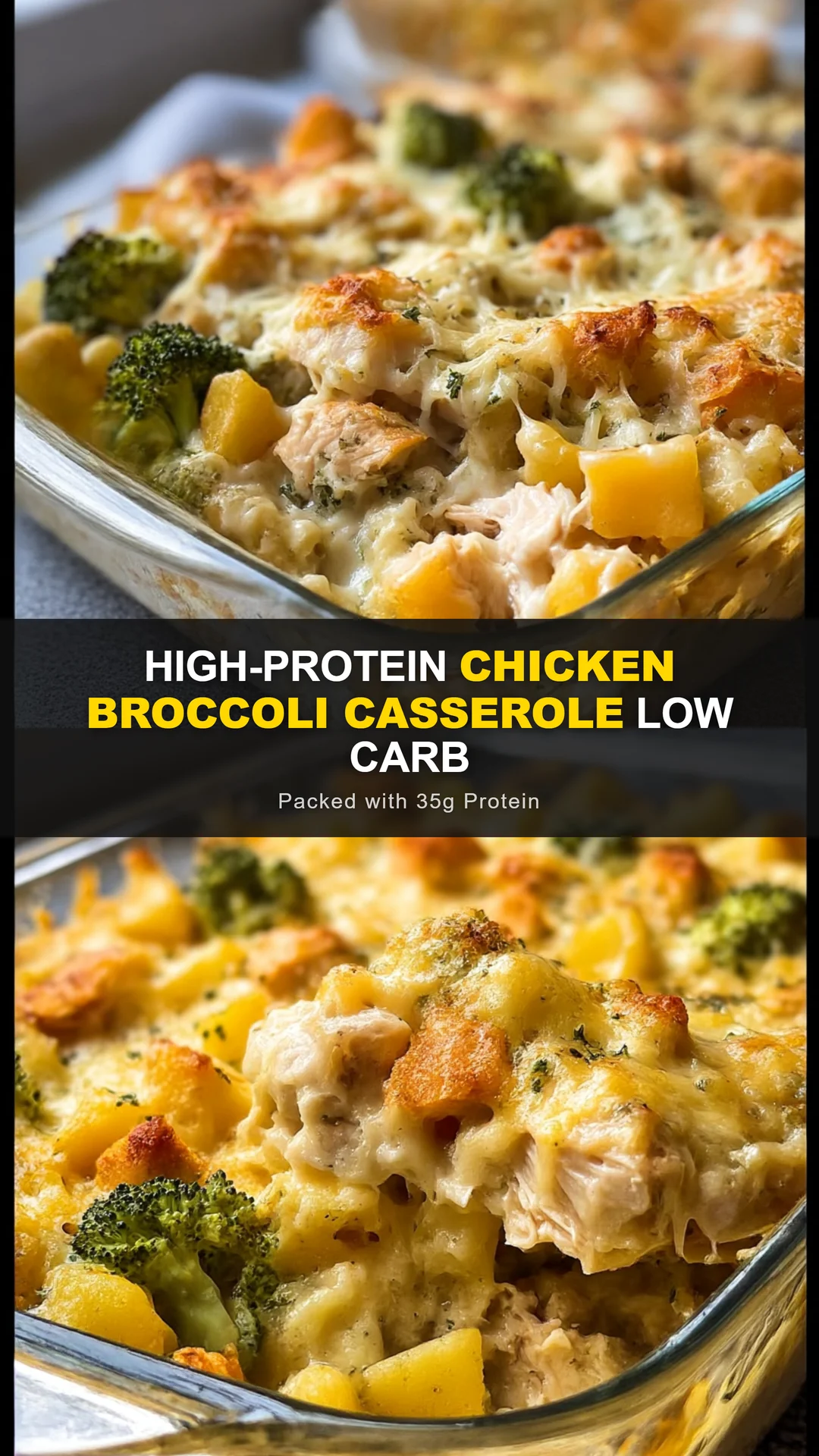
Now, prepare the creamy sauce. In the same skillet (no need to wash), reduce heat to low. Add the softened cream cheese, breaking it up with a spatula. Stir continuously for about 1 minute until it starts to melt. Add the sour cream and chicken broth, whisking until smooth and well combined. The mixture should be thick and velvety. Gradually add 1 cup of the shredded cheddar cheese and all of the Parmesan cheese, stirring until fully melted and incorporated. The sauce will be rich and creamy. Taste and adjust seasoning with additional salt and pepper if needed. Remove from heat.
Return the chicken and broccoli to the skillet with the sauce. Gently fold everything together until the chicken and broccoli are evenly coated. Make sure the pieces are distributed evenly for consistent baking. If your skillet is not oven-safe, transfer the mixture to a greased 9×13-inch baking dish at this point.
Sprinkle the remaining 1 cup of shredded cheddar cheese evenly over the top. This creates a golden, bubbly crust that adds texture and flavor. Place the skillet or baking dish in the preheated oven. Bake for 15-20 minutes, or until the casserole is hot and bubbly, and the cheese on top is melted and lightly golden. For extra browning, switch to broil for the last 2-3 minutes, watching closely to prevent burning.
Remove from the oven and let the casserole rest for 5 minutes before serving. This allows the sauce to set slightly, making it easier to serve. Garnish with chopped fresh parsley if desired. Serve hot and enjoy the creamy, cheesy goodness with over 35 grams of protein per serving. Store leftovers in an airtight container in the refrigerator for up to 4 days.
For best results
- For the juiciest chicken, avoid overcooking. Use an instant-read thermometer to check doneness; chicken is safe at 165°F (74°C). Since the casserole bakes further, searing to 155°F (68°C) is ideal. Letting the chicken rest after searing and before slicing helps retain moisture. Also, cutting the chicken into uniform pieces ensures even cooking.
- To prevent a watery casserole, thoroughly drain any frozen broccoli after thawing. Squeeze out excess moisture with paper towels if needed. Fresh broccoli should be steamed just until bright green—overcooking leads to mushiness. The broccoli will continue to cook in the oven, so a slight crunch is desirable.
- The cream cheese must be softened to room temperature for a smooth sauce. Cold cream cheese will clump and result in a lumpy texture. If you forgot to soften it, microwave in 10-second intervals until soft but not melted. Similarly, shred your own cheddar cheese from a block—pre-shredded cheese contains anti-caking agents that prevent smooth melting.
- This casserole is naturally low carb, but you can boost the protein further by adding cooked, crumbled bacon or diced ham. For a dairy-free version, replace cream cheese with dairy-free cream cheese, sour cream with unsweetened coconut yogurt, and use a dairy-free cheese alternative. The texture may be slightly less creamy but still delicious.
- Meal prep like a pro: Assemble the entire casserole (without baking) in a baking dish, cover tightly with foil, and refrigerate for up to 2 days. When ready to bake, add 10-15 minutes to the baking time since starting from cold. You can also freeze the unbaked casserole for up to 3 months. Thaw overnight in the refrigerator before baking. The baked casserole freezes well too—portion into individual containers for quick lunches.
- For a golden, crispy top, mix the final layer of cheddar cheese with a tablespoon of grated Parmesan and a pinch of paprika. Broiling at the end creates a beautiful crust. Watch carefully to avoid burning—the cheese can go from golden to black in seconds.
Variations
- Vegetable Swap: Replace broccoli with cauliflower florets for an even lower carb option. Cauliflower has a milder flavor that absorbs the creamy sauce beautifully. You can also add sautéed mushrooms, bell peppers, or spinach. For spinach, stir in fresh leaves at the end of sauce preparation—they wilt quickly in the heat.
- Protein Variations: Substitute chicken with boneless, skinless chicken thighs for extra juiciness and flavor. Turkey breast or pork chops also work well. For a vegetarian version, use firm tofu or tempeh, cubed and pan-seared until golden. Adjust seasoning accordingly. The cooking time remains similar.
- Spice It Up: Add 1/2 teaspoon of red pepper flakes or a diced jalapeño to the sauce for a spicy kick. Smoked paprika or chipotle powder adds a smoky depth. For an Italian twist, add 1 teaspoon of dried oregano and basil, and use mozzarella instead of cheddar. Top with fresh basil before serving.
- Crust Topping: For a crunchy topping, mix 1/2 cup of crushed pork rinds (for keto) or almond flour with 2 tablespoons of melted butter and sprinkle over the cheese before baking. This adds a satisfying crunch without carbs. Alternatively, use crushed cheese crisps for extra cheesiness.
- Dairy-Free Adaptation: Use dairy-free cream cheese and sour cream alternatives (like Kite Hill or Tofutti). For the cheese, choose a melting dairy-free shred (like Daiya or Violife). The sauce may be thinner; add 1 tablespoon of nutritional yeast for cheesy flavor. Bake as directed.
Nutrition
- Calories365 kcal
- Total Fat24g
- Saturated Fat13g
- Cholesterol145mg
- Sodium680mg
- Total Carbohydrates8g
- Dietary Fiber2g
- Sugars3g
- Protein35g