
How to Master 30-Minute High-Protein Cooking
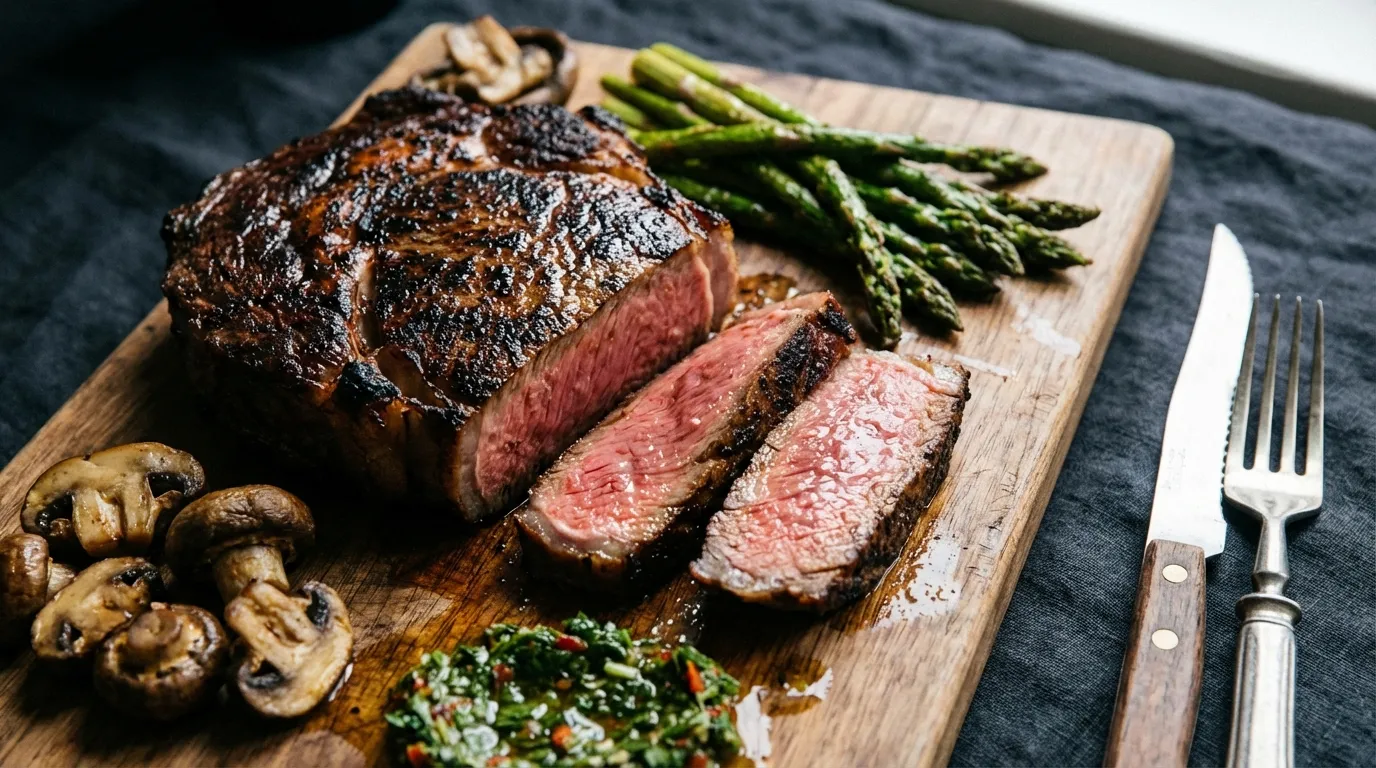
High-protein cooking in under 30 minutes relies on maximizing thermal conductivity and parallel processing. By selecting proteins with high surface-area-to-volume ratios—such as thin-cut poultry or ground meats—and utilizing rapid heat transfer tools like air fryers or cast-iron skillets, you can achieve 40g+ of protein per meal without traditional batch-cooking sessions.
For the last ten years in sports nutrition, I have observed that athletes often fail to hit their macros because they rely on exhaustive, hours-long batch cooking. When Sunday meal prep is skipped, nutritional consistency collapses. The solution is treating your kitchen like a high-efficiency test kitchen, focusing on raw material optimization and precise heat transfer to produce macro-optimized meals on demand.
This methodology shifts the focus from preparing fully cooked meals in advance to optimizing the raw materials and the cooking environment. By mastering the physics of heat transfer and streamlining the physical workflow, hitting your daily protein targets becomes a frictionless daily habit rather than a weekend chore.
The Essential Equipment for Performance Cooking
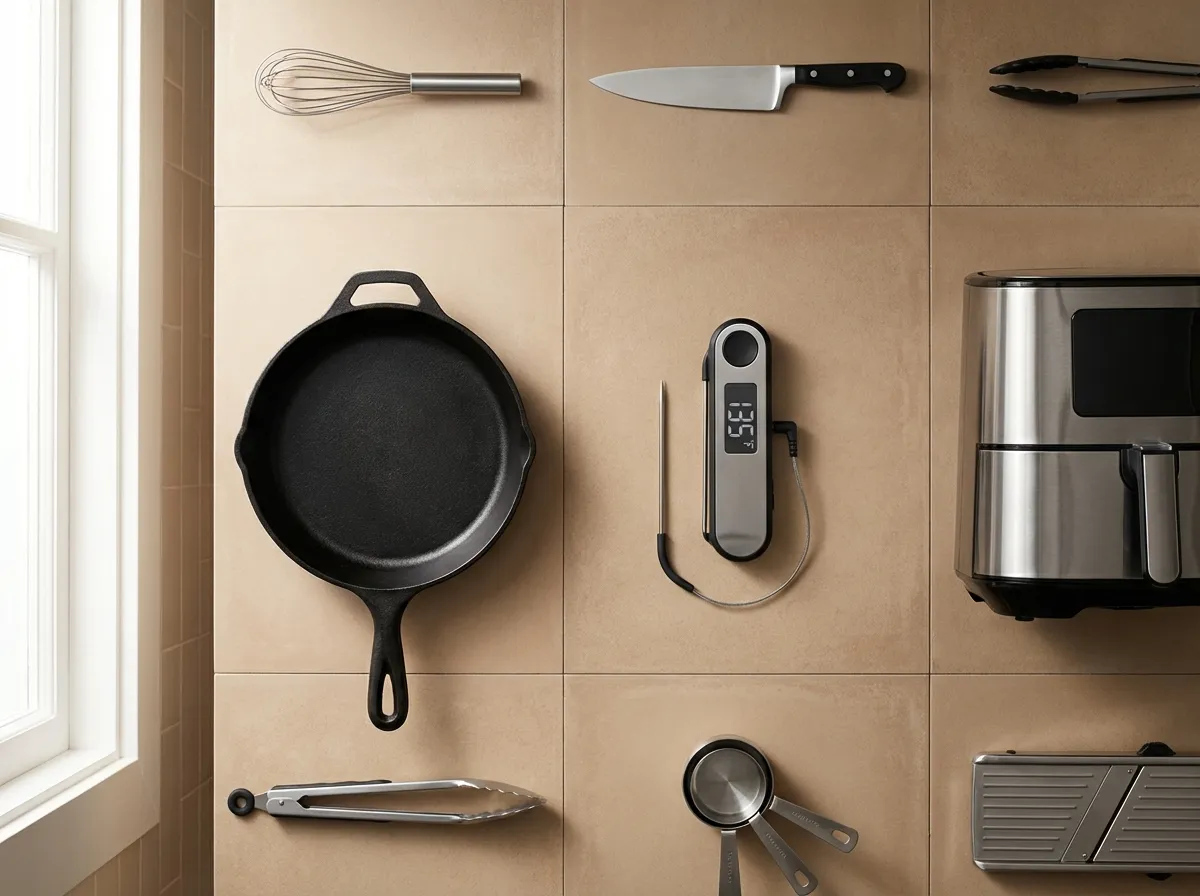
The right equipment turns your kitchen into a high-efficiency macro lab.
Heavy-gauge cast iron or stainless steel provides the thermal mass required for a consistent Maillard reaction. Thin, non-stick pans often drop temperature too quickly when protein is added, leading to steaming rather than searing. A heavy cast-iron skillet acts as a heat battery, vaporizing surface moisture to create a deep, flavorful crust.
To execute high-protein cooking efficiently, your kitchen needs three non-negotiable tools:
- Digital Probe Thermometer: This is the only way to guarantee the 165°F food-safety threshold without over-drying proteins. Avoid cutting into meat to check doneness, as this releases valuable juices.
- High-Volume Air Fryer: Essential for zero-oil crisping. Convection cooking reduces caloric density while maintaining high protein bioavailability.
- Precision Food Scale: Critical for macro-tracking. Estimating portion sizes by eye often leads to a 15–20% margin of error in protein intake.
Maximizing Your Protein Budget and Kitchen Efficiency
Budget efficiency in a high-performance kitchen requires strict inventory management and precise portioning. By utilizing high-yield proteins like ground turkey, egg whites, and bulk-bought chicken breast, you can maintain a high-protein diet for under $4.00 per meal while avoiding the 300% markup associated with commercial meal prep services.
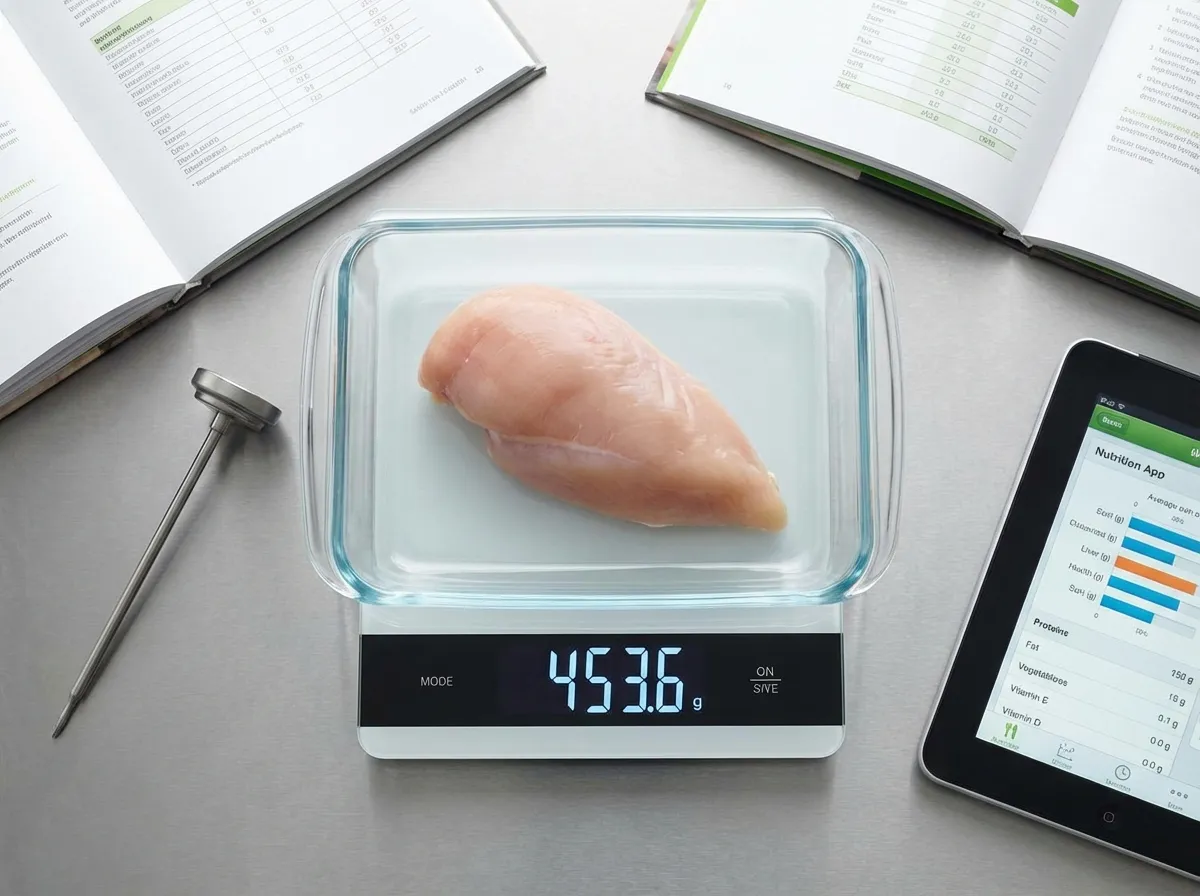
Precision is the difference between guessing and progressing.
Investing in a digital scale prevents “portion creep,” where you inadvertently consume 20% more food than planned. You can buy family packs of lean ground beef or white fish, portion them into exact macro-compliant weights, and freeze them flat for rapid thawing. This keeps your sodium intake and ingredient quality under total control while reducing your weekly grocery bill.
Optimizing Macros for Peak Performance
For optimal hypertrophy, aim for 0.8g to 1g of protein per pound of body weight, distributed across three to four meals per day. Pairing these 30-minute proteins with slow-digesting complex carbohydrates manages insulin response and ensures amino acids are efficiently shuttled into muscle tissue for recovery.
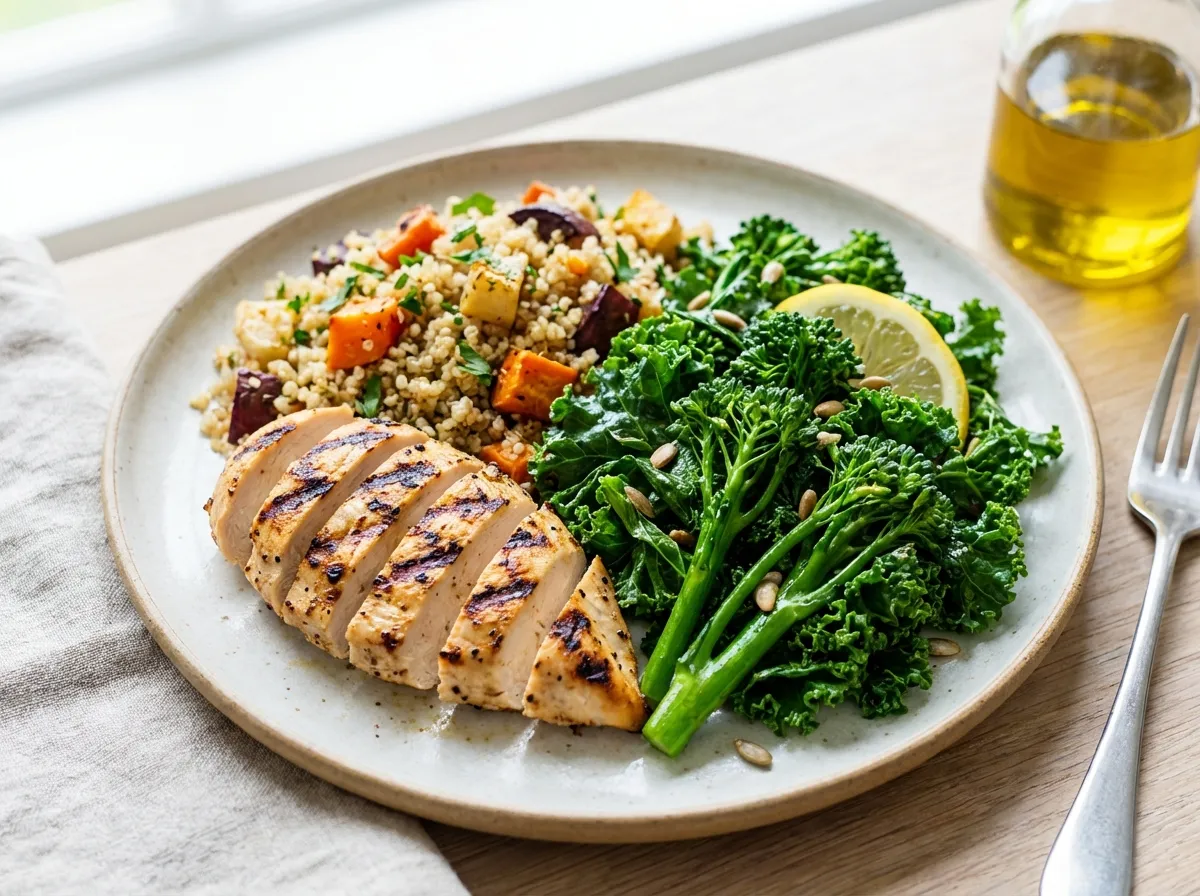
Optimal hypertrophy requires a strategic balance of high-quality protein and complex carbs.
Quick Answer: Distributing protein intake across multiple meals maintains a positive nitrogen balance. Cooking fresh daily prevents the intake of heavy sodium and preservatives often found in mass-market meal prep, which supports a higher metabolic rate and reduces water retention.
Expanding Your Weekly High-Protein Rotation
A 7-day high-protein rotation prevents decision fatigue and keeps weeknight cooking under the 30-minute threshold. By rotating between distinct protein sources—such as a 15-minute lemon garlic shrimp stir-fry or ground beef and cabbage power bowls—you ensure a broad spectrum of amino acids, iron, zinc, and omega-3s without needing to invent new recipes.
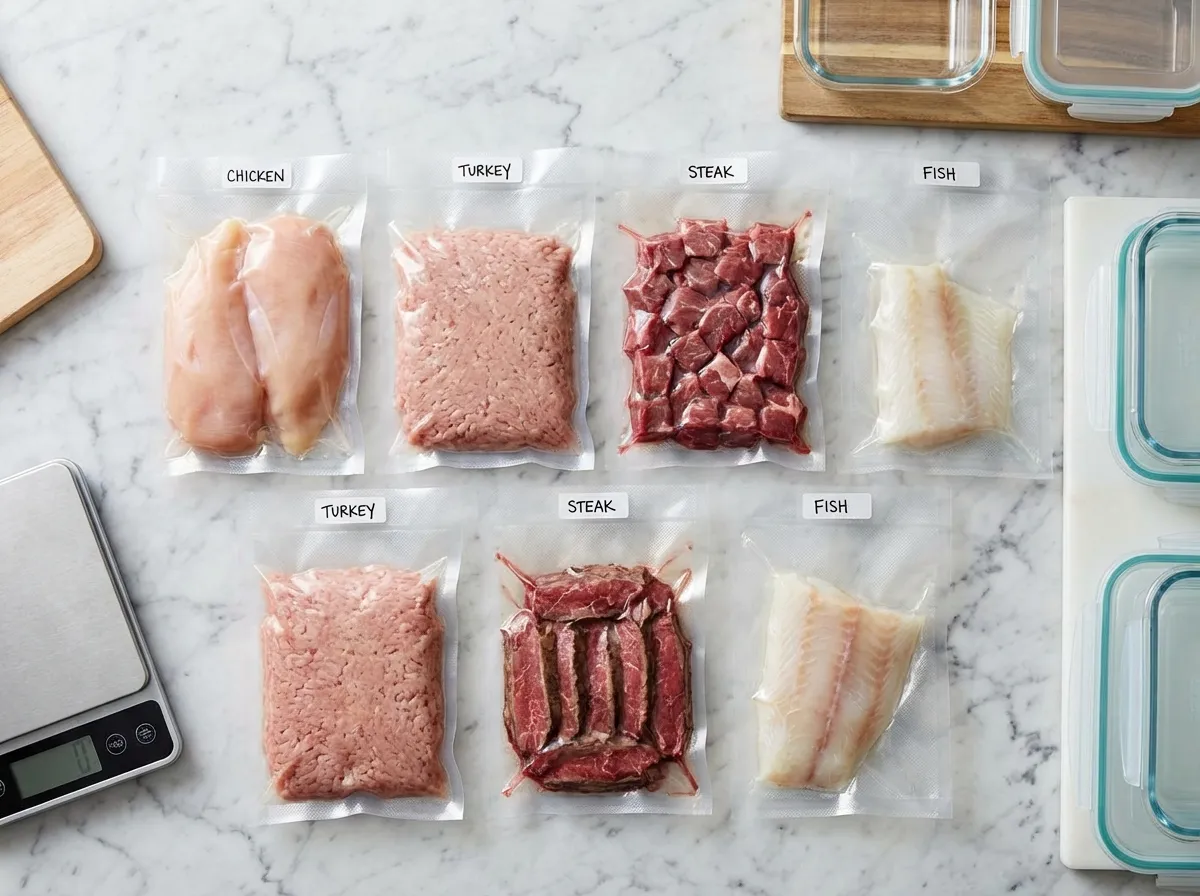
Portion raw, cook fresh: The ultimate hack for sustainable fitness nutrition.
To keep the workflow efficient, incorporate a one-pan turkey taco rice skillet or Greek chicken pita bowls into your schedule. Even for those seeking plant-forward variety, a high-protein Mediterranean chickpea salad provides a nutrient-dense alternative that fits the 40g protein rule. Even if you abandon traditional batch cooking, utilize a “prep-raw” workflow. Spending 20 minutes on Sunday to weigh and pre-portion raw proteins into 6oz bags saves 10 minutes of active prep time per weeknight. When you start cooking at 6:00 PM, your macro-measured protein is ready for immediate heat application.
The 30-Minute Protein Threshold: Why Speed Matters for Muscle
Muscle Protein Synthesis (MPS) is the metabolic process where the body builds new muscle proteins to repair micro-tears from training. Freshly cooked protein ensures maximum bioavailability of Leucine, the primary amino acid responsible for triggering this vital muscle-building pathway.
Prolonged reheating of previously cooked protein leads to lipid oxidation and the degradation of volatile micronutrients. Freshly cooked meat preserves the structural integrity of myofibrillar proteins, making them easier for digestive enzymes to break down. Speed in the kitchen ensures your post-workout meal delivers an uncompromised payload of Leucine when your body needs it most.
Molecular Speed: Heat Transfer and Protein Denaturation
The “Thin-Cut Principle” involves butterflying or pounding proteins to an even half-inch thickness to increase their surface-area-to-volume ratio. This drastically improves the Thermal Efficiency Ratio (TER), allowing heat to penetrate the center rapidly before the exterior becomes desiccated, resulting in a 8 to 12-minute cook time.
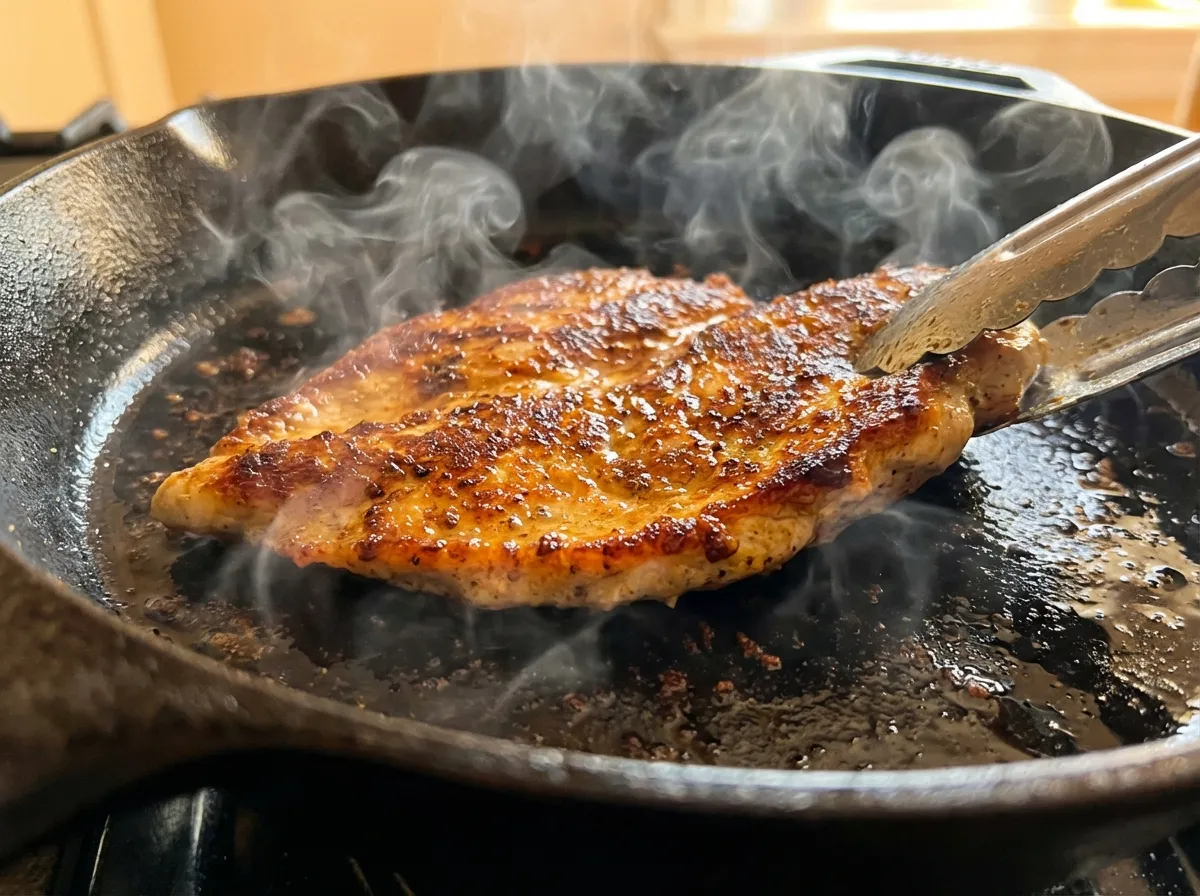
The Maillard reaction provides flavor and texture in a fraction of the time.
The Maillard reaction is a heat-driven chemical reaction between amino acids and sugars that creates browning and complex flavor at surface temperatures above 300°F. By applying intense, conductive heat to a thin cut of meat, you force rapid protein denaturation, locking in moisture and building a savory crust without the need for long, slow cooking.
The Parallel Processing Workflow: My Signature Kitchen System
Parallel processing involves layering active and passive cooking tasks to compress total kitchen time into a 25-minute window. By treating the kitchen like a manufacturing line, you eliminate dead time and ensure every component of the meal is finished simultaneously.
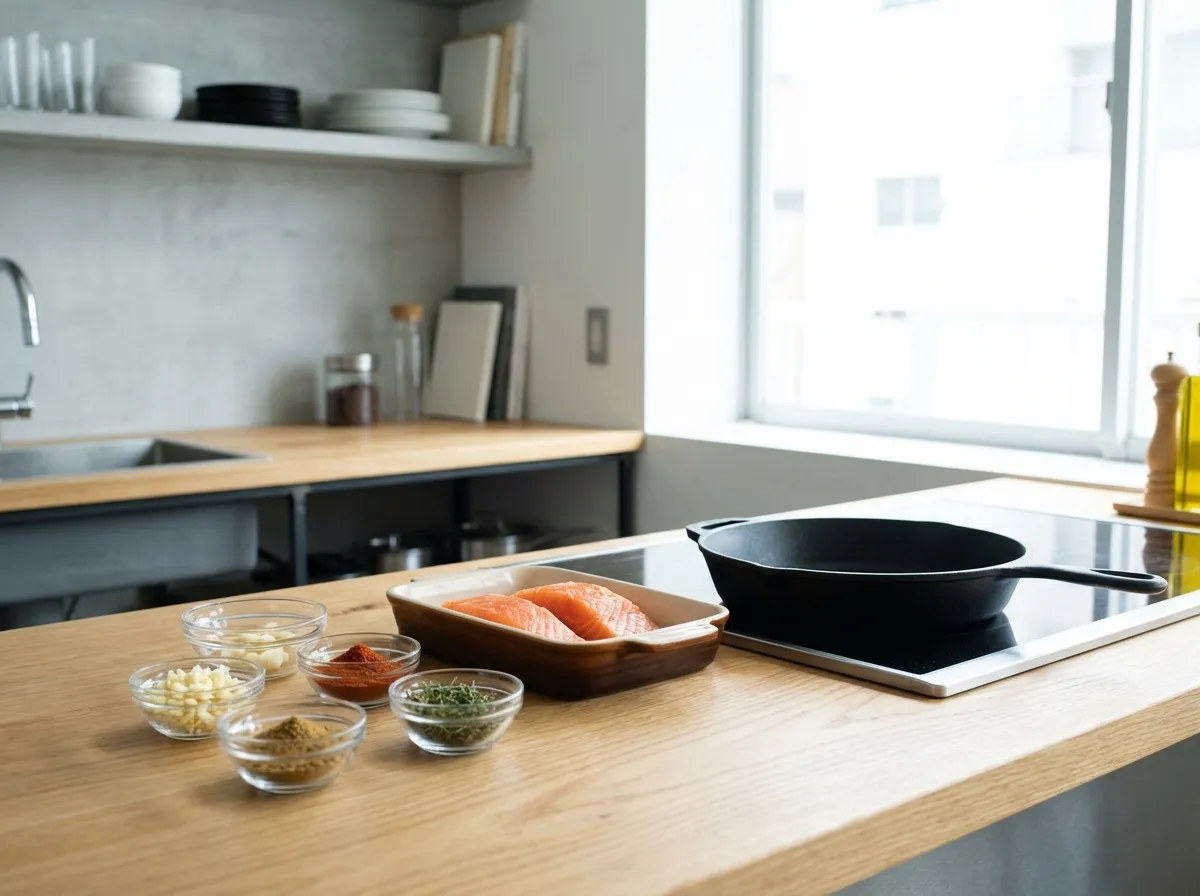
Treat your kitchen like a high-efficiency test kitchen for maximum results.
- Prep Stage (0–5 minutes): Weigh proteins, chop aromatics, and pre-heat the cooking surface.
- Active Heat (5–20 minutes): Cook the protein (e.g., air fryer) while simultaneously searing vegetables or preparing sides in a skillet.
- Finish Stage (20–25 minutes): Allow meat to rest for 3–5 minutes to reabsorb juices before plating.
Essential Tools for On-Demand Macro Optimization
An air fryer provides rapid convection heating, a digital food scale eliminates macro-guessing, and a probe thermometer prevents over-cooking while ensuring safety. Together, these tools form the foundation of a high-speed, macro-optimized kitchen that operates with absolute precision.
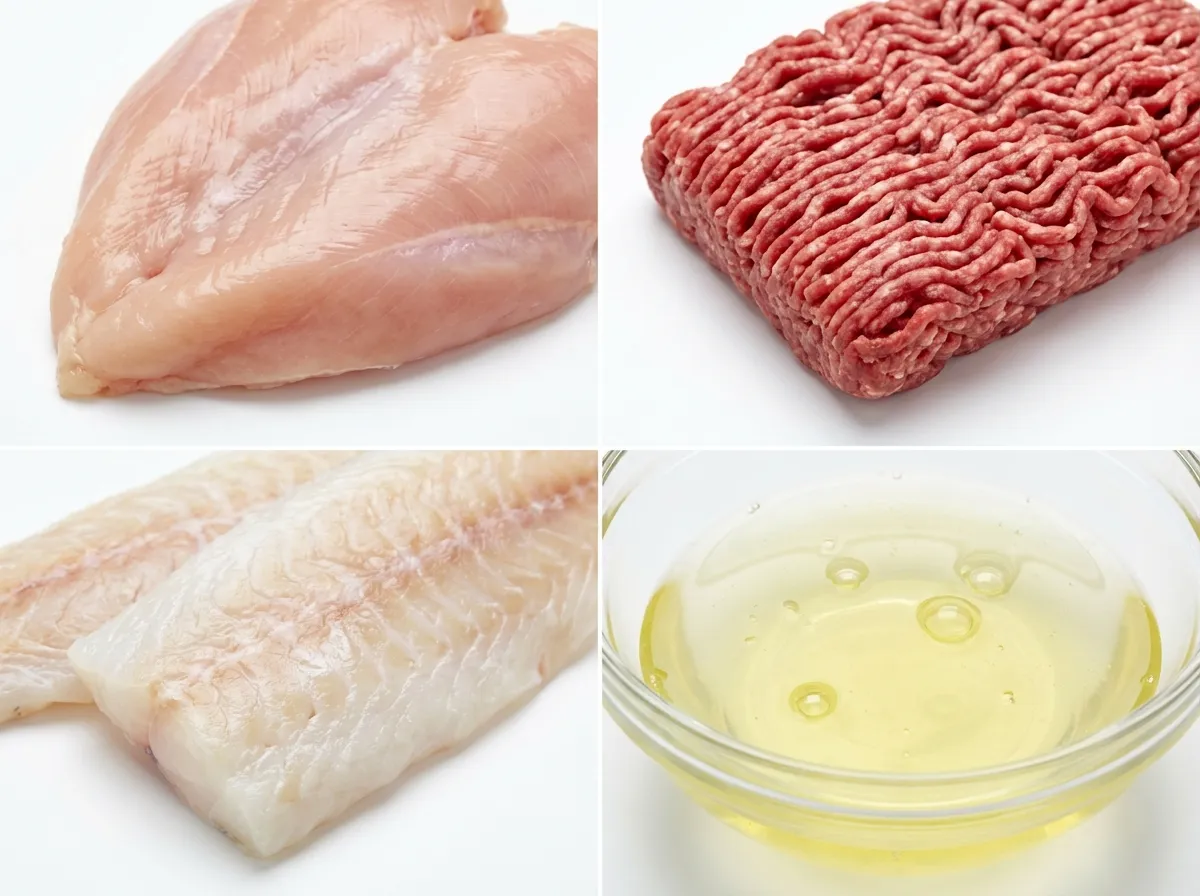
The Big 4: Your rapid-response toolkit for hitting protein targets.
| Protein Source | Cook Time | Protein per 100g | Best Speed Method |
|---|---|---|---|
| Butterflied Chicken | 12 Mins | 31g | Air Fryer |
| Lean Ground Beef | 8 Mins | 26g | Cast Iron |
| White Fish (Cod) | 6 Mins | 18g | Steam/Sear |
| Egg Whites | 4 Mins | 11g | Scramble |
Fresh-Cooked vs. Batch-Prep: The Nutrient Retention Matrix
Fresh-cooked meals retain higher levels of volatile micronutrients like Vitamin B12 and folate while avoiding the histamine buildup common in older prepped food. While traditional batch-prep offers convenience, it suffers from severe texture degradation and moisture loss upon reheating.
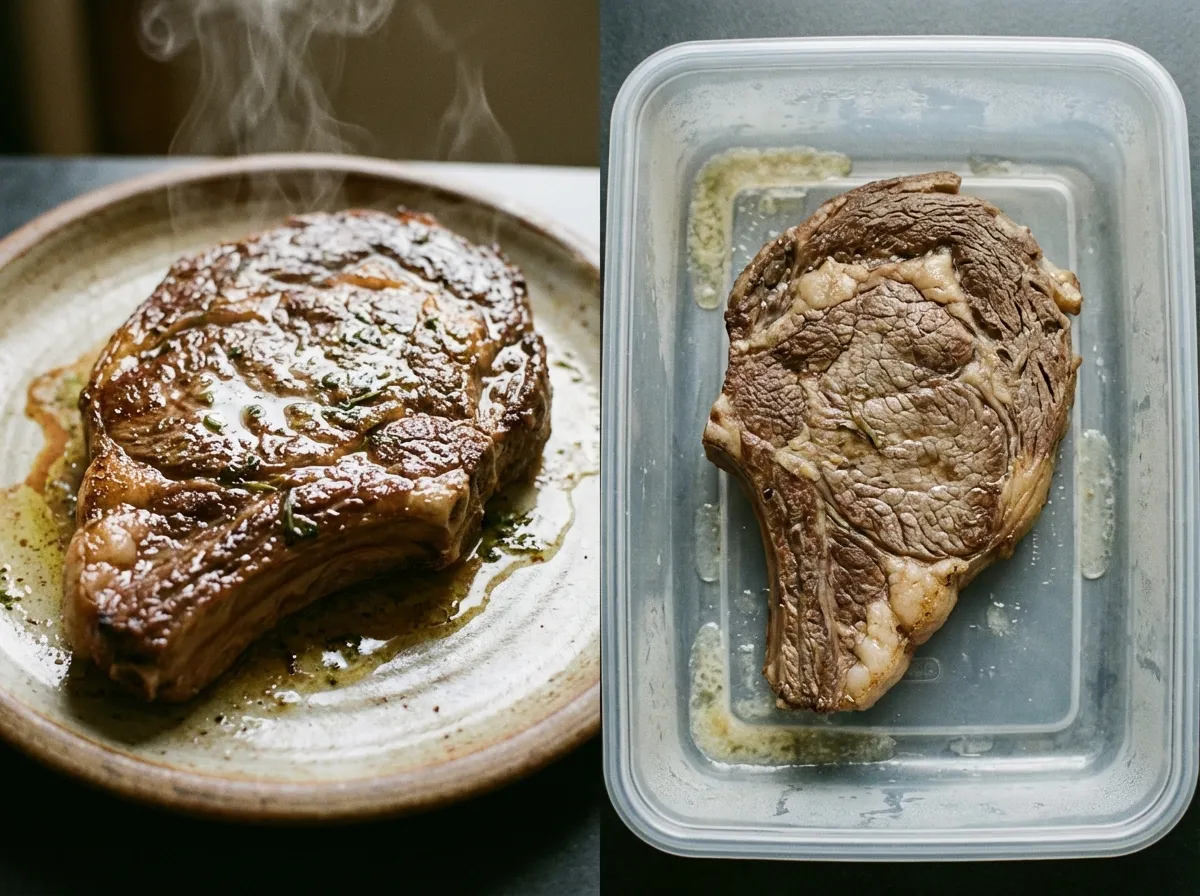
Fresh cooking preserves the structural integrity and nutrient density of your protein.
When meat is cooked and stored for 4 to 5 days, moisture evaporates and histamine levels rise, which can trigger lethargy or inflammatory responses in sensitive individuals. Executing the 30-minute system bypasses these issues, ensuring 100% retention of water-soluble vitamins and optimal protein texture.
The 5-Minute Thermal Troubleshooting Guide
If your protein is consistently dry, increase surface moisture with a 15-minute quick brine or reduce cook time by two minutes to allow for carry-over cooking. If the crust is burnt but the center is raw, lower your heat source by 25°F to 50°F.
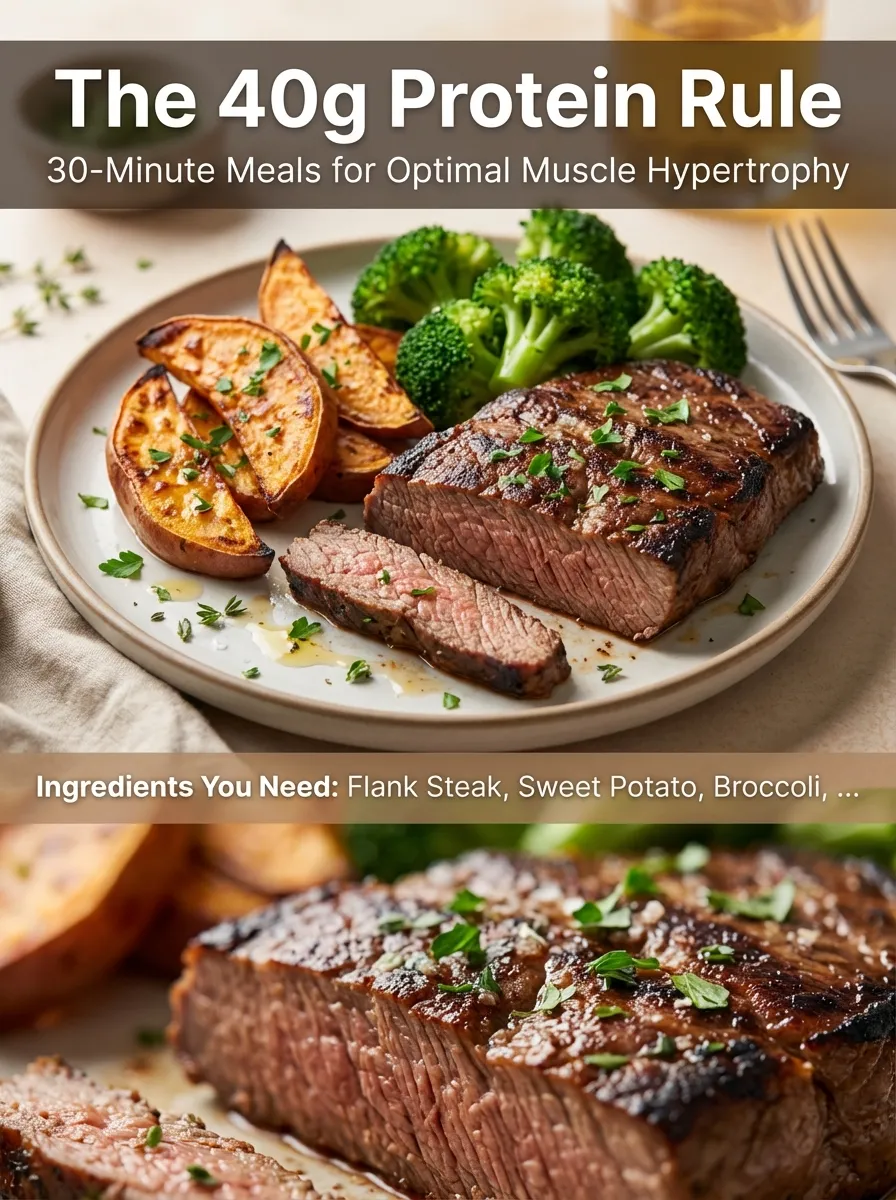
Save this high-protein system for your next muscle-building phase.
FAQ: Can I use frozen proteins for these 30-minute meals?
Answer: It is not recommended for rapid cooking. Frozen proteins lower the pan temperature too quickly, causing the meat to steam rather than sear. For the 30-minute threshold, thaw proteins in cold water for 15 minutes or use the “prep-raw” method by portioning and thawing in the refrigerator overnight.
FAQ: What is the ideal internal temperature for chicken breast?
Answer: The ideal internal temperature for chicken is 165°F. Using an instant-read probe thermometer, pull the chicken from the heat at 160°F and allow it to rest for 3–5 minutes; carry-over cooking will bring the internal temperature to the safe 165°F threshold while keeping the meat juicy.